






Brass, an alloy of copper and zinc, has long captivated the imagination of writers and editors alike. Two specific varieties—fine brass and burnt brass—offer unique characteristics that influence creative expression. Understanding these nuances can enrich writing and editing experiences, providing depth and texture to the work.
Defining Fine Brass and Burnt Brass
Fine brass is known for its smooth, lustrous finish and golden hue. Its aesthetic appeal makes it a popular choice for decorative elements and artistic expressions. On a technical level, fine brass typically contains a higher percentage of zinc, which enhances its hardness and workability, making it suitable for intricate designs.
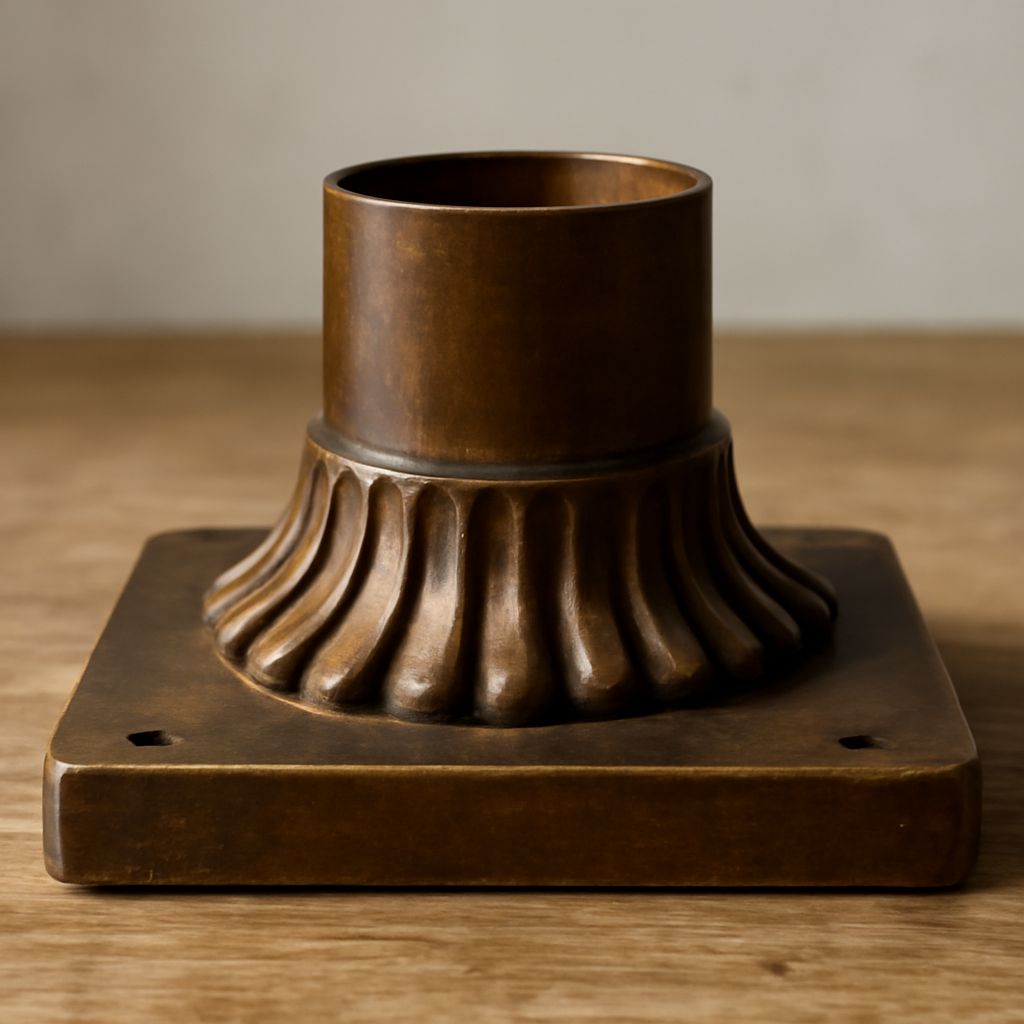
Burnt brass, on the other hand, is characterized by a darker, more muted tone. This is achieved through a process where the brass is subjected to high temperatures, altering its surface color and texture. The result is a rustic and aged appearance that can evoke a sense of history and authenticity in writing and editing.
Uses of Fine Brass in Writing
In writing, fine brass can symbolize elegance and refinement. Its bright, polished look can be used metaphorically to represent clarity and precision. Writers often draw parallels between fine brass and themes of luxury or sophistication, adding a layer of depth to narrative descriptions.
Moreover, fine brass can be used as a narrative device to highlight contrasts or transitions. For instance, a character’s journey from humble beginnings to achieving high status might be symbolized through the acquisition of a fine brass artifact, underscoring personal growth and transformation.
Applications of Burnt Brass in Editing
Burnt brass serves as a powerful editing tool, providing a sense of texture and depth to written content. Its darker tones can be used to signify themes of decay or resilience, adding emotional complexity to a story. In editing, burnt brass elements can enhance the mood of a piece, offering readers a visceral experience of the narrative’s setting or atmosphere.
Editors might employ burnt brass motifs to signal shifts in tone or perspective within a piece. Its rich, earthy quality can create a backdrop for exploring themes of endurance or nostalgia, adding a somber yet compelling dimension to the work.
Comparative Analysis: Fine Brass vs. Burnt Brass
While both fine brass and burnt brass have distinct applications, their comparison reveals complementary strengths. Fine brass is associated with sophistication and clarity, making it ideal for themes of advancement and growth. In contrast, burnt brass offers a rustic and authentic appeal, suitable for narratives centered around perseverance and legacy.
In practical terms, the choice between fine brass and burnt brass often depends on the desired emotional impact and stylistic direction. Writers and editors might select fine brass for a polished and optimistic narrative tone, whereas burnt brass might be preferred for stories that delve into historical or introspective themes.
Creative Expression with Brass Elements
Brass elements, whether fine or burnt, open avenues for creative expression in writing and editing. These materials can be woven into the fabric of a narrative to enrich the storytelling experience. The interplay of light and shadow with fine and burnt brass can create dynamic contrasts that highlight character development and thematic evolution.
Ultimately, the integration of brass into creative works allows for a tactile engagement with the text. This deepens the reader’s connection to the narrative, providing a sensory experience that resonates on multiple levels. Writers and editors can harness the transformative power of brass to craft compelling and memorable stories.