







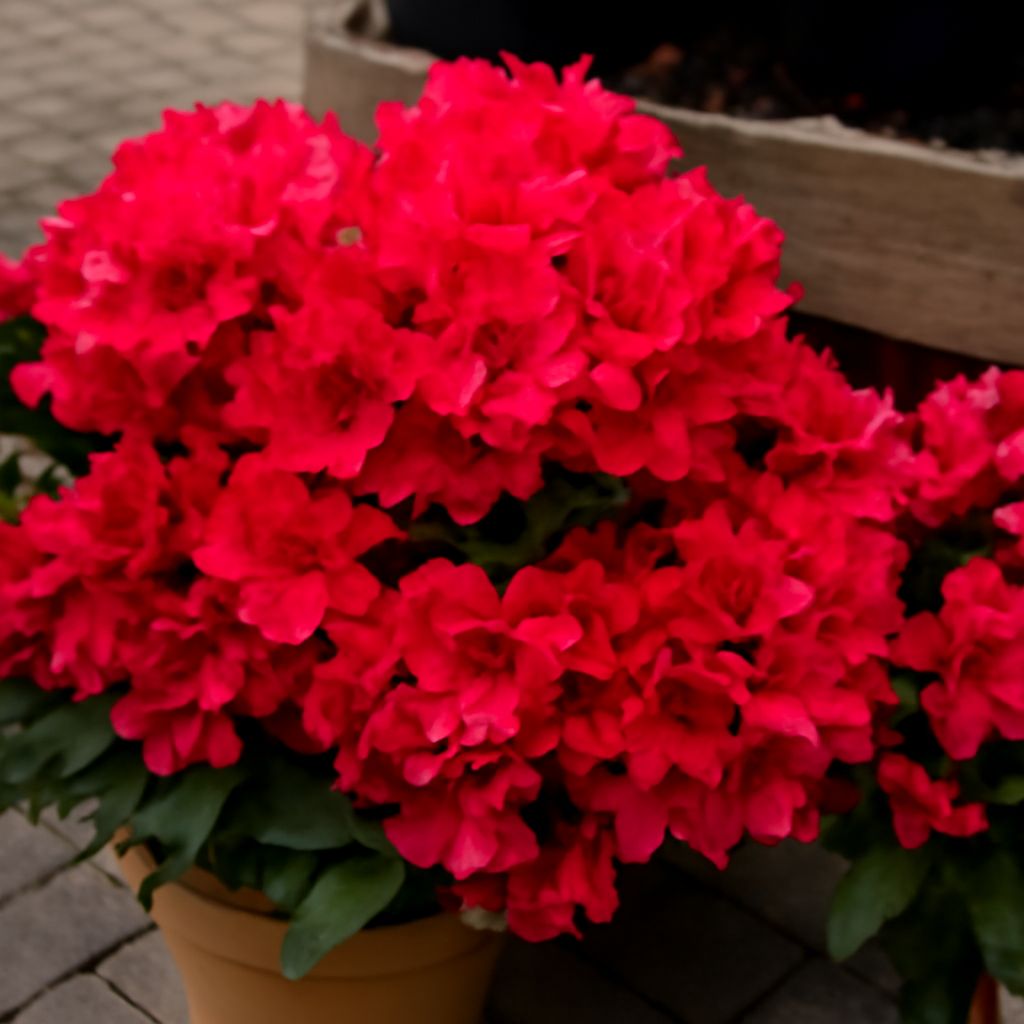
The rhododendron is a captivating flower known for its vibrant hues and lush blooms. Its significance stretches far beyond its beauty, as it holds profound meanings and symbolism across various cultures. Understanding the rhododendron flower meaning can enhance our appreciation of this plant, which has inspired artists, writers, and gardeners alike.
The Meaning Behind Rhododendron Flowers
The rhododendron flower meaning is often associated with caution and danger. This association originates from the fact that many species of rhododendron are toxic. As such, the flower can symbolize a warning or a reminder to proceed carefully in certain situations. Despite this, rhododendrons are also seen as symbols of elegance and allure due to their striking appearance and vibrant colors.
In addition to these meanings, rhododendrons can represent beauty and moderation. The flower’s ability to thrive in harsh environments serves as a metaphor for overcoming adversity and maintaining composure under pressure. This duality of meanings makes the rhododendron a complex and intriguing symbol in the world of flowers.
Cultural Symbolism of Rhododendrons
Rhododendron symbolism varies significantly across different cultures. In China, the rhododendron is known as the “flower of the azalea,” representing femininity and gentleness. It is often used in Chinese poetry and art to convey the delicate beauty of women. In contrast, some European traditions consider the rhododendron a symbol of danger and warning, echoing its natural toxicity.
In Himalayan regions, rhododendrons are celebrated for their spiritual significance. The flower is used in religious rituals and offerings, symbolizing purity and divine beauty. Meanwhile, in Western cultures, rhododendrons are commonly associated with elegance and abundance, making them popular choices for ornamental gardens and floral arrangements.
Rhododendrons in Literature and Art
Rhododendrons have inspired numerous literary and artistic works, reflecting their rich symbolism. In literature, the flower often appears in narratives that explore themes of beauty intertwined with danger. For instance, in classic novels, rhododendrons might be used to set a scene that is both enchanting and foreboding, reinforcing the complexities of the characters and plot.
Artists have also drawn inspiration from the rhododendron’s vivid colors and intricate shapes. Its presence in paintings and illustrations often symbolizes a fusion of natural beauty with underlying mystery. This duality allows artists to explore contrasts and balance within their work, using the rhododendron as a powerful visual metaphor.
How to Use Rhododendrons in Personal Expression
Incorporating rhododendrons into personal expression can be a meaningful way to harness their symbolism. In gardening, they can be used to create a sense of elegance and depth, with their diverse colors contributing to a vibrant landscape. Gardeners might choose rhododendrons to signify resilience and beauty, reflecting their own personal growth or aspirations.
For those interested in floral arrangements, rhododendrons offer a unique way to convey messages through blooms. Their bold colors can represent passion and vivacity, while their intricate structures can speak to complexity and sophistication. Whether used in bouquets, centerpieces, or artistic displays, rhododendrons can encapsulate a wide range of emotions and themes.
Rhododendrons also serve as meaningful gifts or tokens of appreciation. When giving rhododendrons, consider the intended message—whether it is to warn, to admire, or to celebrate beauty. This thoughtful approach can enhance the impact of the gesture, making the rhododendron a powerful symbol in interpersonal communication.