







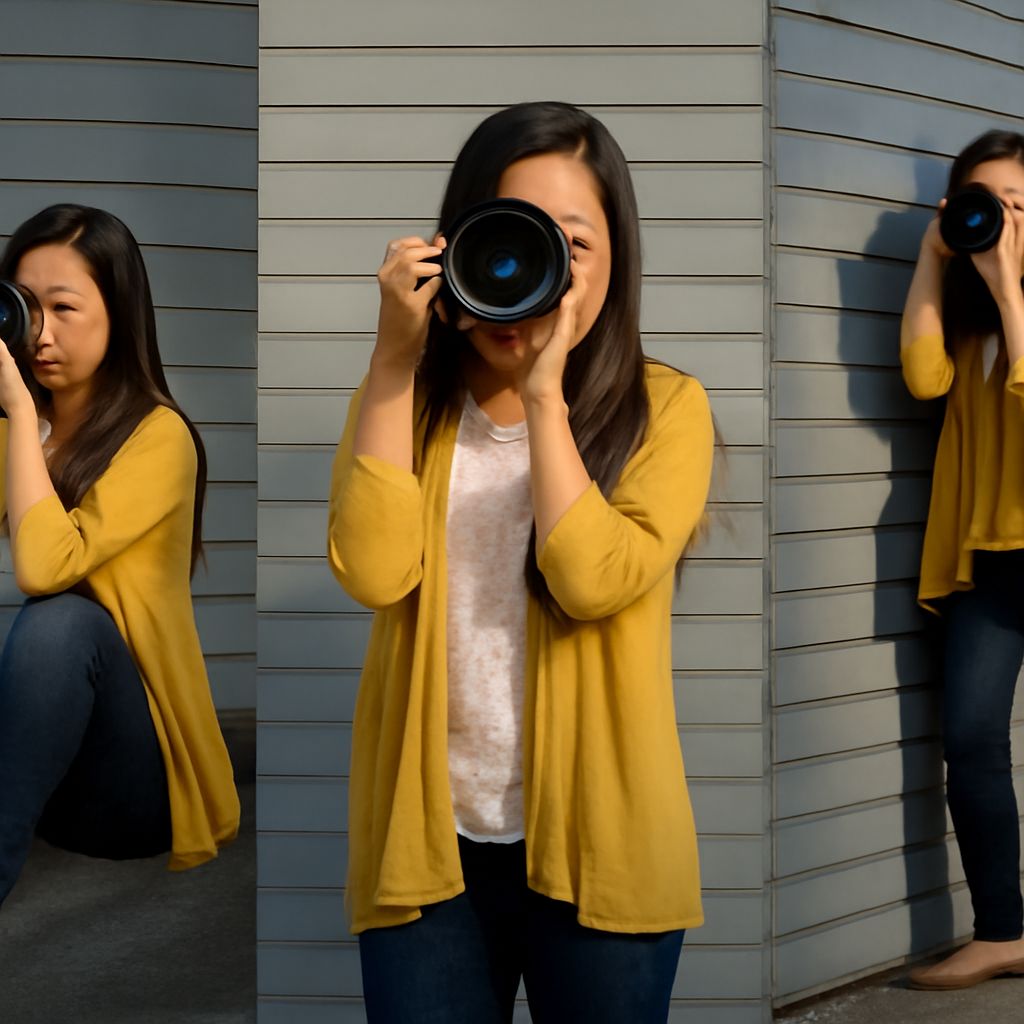
The phrase “does the camera add 10 pounds” is rooted in a common belief that photographs can make people appear heavier than they are. This perception, while sometimes exaggerated, arises from various factors related to camera technology and technique. Understanding these elements can help in capturing images that reflect a more accurate representation.
Understanding the Science Behind Camera Distortion
Camera distortion plays a significant role in how subjects appear in photographs. This distortion occurs when the camera lens bends light in a way that changes the proportions of the subject. In particular, wide-angle lenses can cause objects closer to the camera to appear larger than they actually are. This effect is more pronounced in close-up shots, where the facial features may seem exaggerated.
Additionally, the camera’s perspective can contribute to the illusion of added weight. When capturing a three-dimensional subject on a two-dimensional plane, certain features may appear flattened and wider. This is a natural consequence of flattening depth, which can lead to the perception of a broader appearance.
How Lenses Affect Perception
The type of lens used significantly influences the outcome of a photograph. Wide-angle lenses, while excellent for capturing expansive scenes, can distort subjects by making them appear wider. This is especially true when the subject is close to the lens. On the other hand, telephoto lenses compress the background and foreground, which can create a more flattering image by maintaining accurate proportions.
Focal length is another crucial factor. Lenses with shorter focal lengths can exaggerate features, whereas lenses with longer focal lengths tend to compress features, offering a more true-to-life depiction. Professional photographers often choose lenses with focal lengths between 85mm to 135mm for portrait photography to avoid this distortion and achieve a more natural look.
Techniques to Avoid Looking Heavier in Photos
Several techniques can help mitigate the effects of camera distortion and avoid appearing heavier in photos. One effective method is adjusting the camera angle. Shooting from slightly above the subject can help elongate the neck and streamline the body, creating a more flattering image.
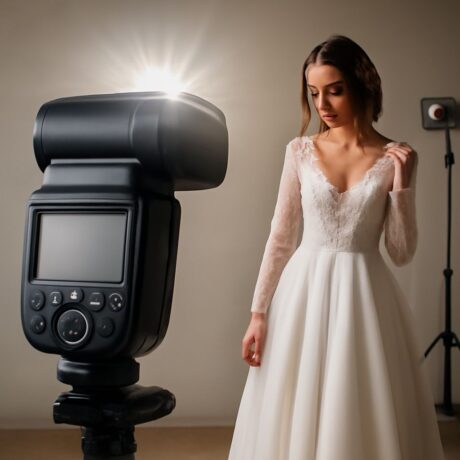
Lighting conditions also play a critical role. Proper lighting can minimize shadows that might accentuate unwanted features. Natural lighting often provides the best results, as it tends to be softer and more uniform than artificial lighting. If artificial lighting is necessary, using diffused light sources can help create a more balanced and appealing image.
Distance between the camera and the subject is another factor. Standing too close to the camera can lead to distortion, as discussed earlier. Maintaining a reasonable distance allows the camera to capture a more accurate representation of the subject’s proportions.
Posing Tips for Flattering Photos
Strategic posing can significantly enhance the appearance of subjects in photographs. Small adjustments in posture and position can make a noticeable difference. For instance, turning the body slightly sideways rather than facing the camera straight on can create a slimmer profile. Shifting weight to the back foot and placing one foot in front of the other can further enhance this effect.
Hand placement is another consideration. Keeping arms slightly away from the body can prevent them from appearing larger than they are. Additionally, angling the chin slightly downward and extending the neck can create a more defined jawline.
Incorporating these posing tips, along with the awareness of camera technology and techniques, can help subjects look their best in photos. By understanding the factors that contribute to the perception of added weight, individuals can take control of how they appear in front of the camera, capturing images that reflect their true self.