







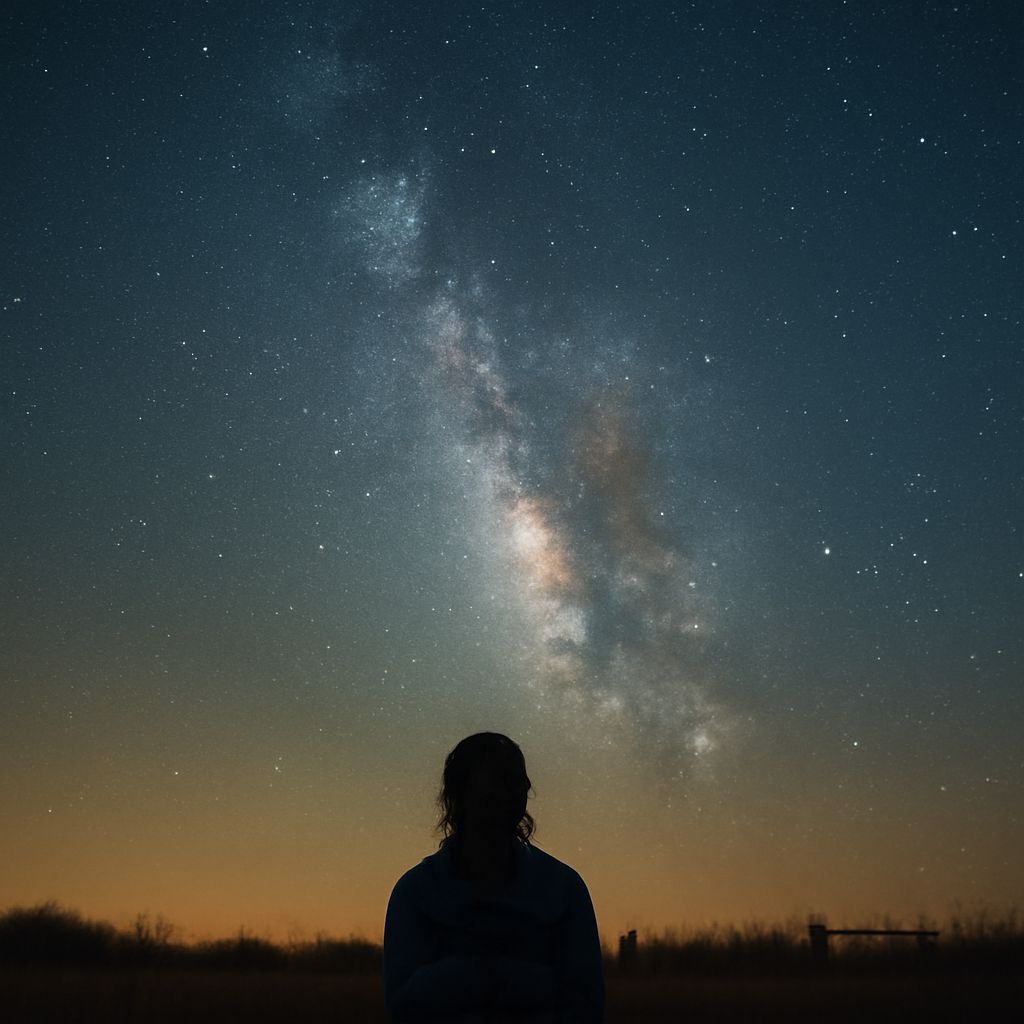
Night photography opens up a world of possibilities, allowing photographers to capture stunning images under low-light conditions. Mastering this art requires understanding specific techniques and equipment to effectively harness the beauty of nighttime scenes. Here, practical night photography tips are shared to help you achieve breathtaking results.
Understanding Night Photography Basics
Night photography involves shooting in low-light conditions, which presents unique challenges and opportunities. The key is to manage exposure effectively to capture the scene’s details without overexposing light sources. Patience is crucial, as longer exposure times are often necessary to capture the desired image.
Essential Equipment for Night Photography
Having the right equipment is vital for successful night photography. A sturdy tripod is essential to prevent camera shake during long exposures. Additionally, a camera with manual settings and a wide aperture lens will allow better control over exposure and depth of field. Consider using a remote shutter release to minimize vibration when taking the shot.
Mastering Camera Settings for Low Light
Adjusting camera settings is fundamental in night photography. Set your camera to manual mode to have full control over exposure settings. Use a low ISO to reduce noise but balance it with the need for sufficient light capture. A wide aperture, such as f/2.8 or wider, will help gather more light. Experiment with shutter speeds; longer exposures can beautifully capture movement and light trails.
Techniques for Capturing Stunning Night Images
Several techniques can enhance your night photography. Light painting involves using a flashlight or other light source to add creative elements to your photos. Star trails can be captured by using a long exposure to record the movement of stars across the sky. Urban nightscapes often benefit from a focus on composition, utilizing leading lines and reflections from water or glass.
Editing Your Night Photos for Maximum Impact
Post-processing is an integral part of night photography. Start by adjusting the exposure and contrast to bring out details hidden in shadows. Use noise reduction tools to minimize graininess, which is common in low-light images. Enhancing colors and sharpness can make your night photos more vibrant and striking. Tools like Adobe Lightroom or Photoshop offer powerful features to refine your images.