








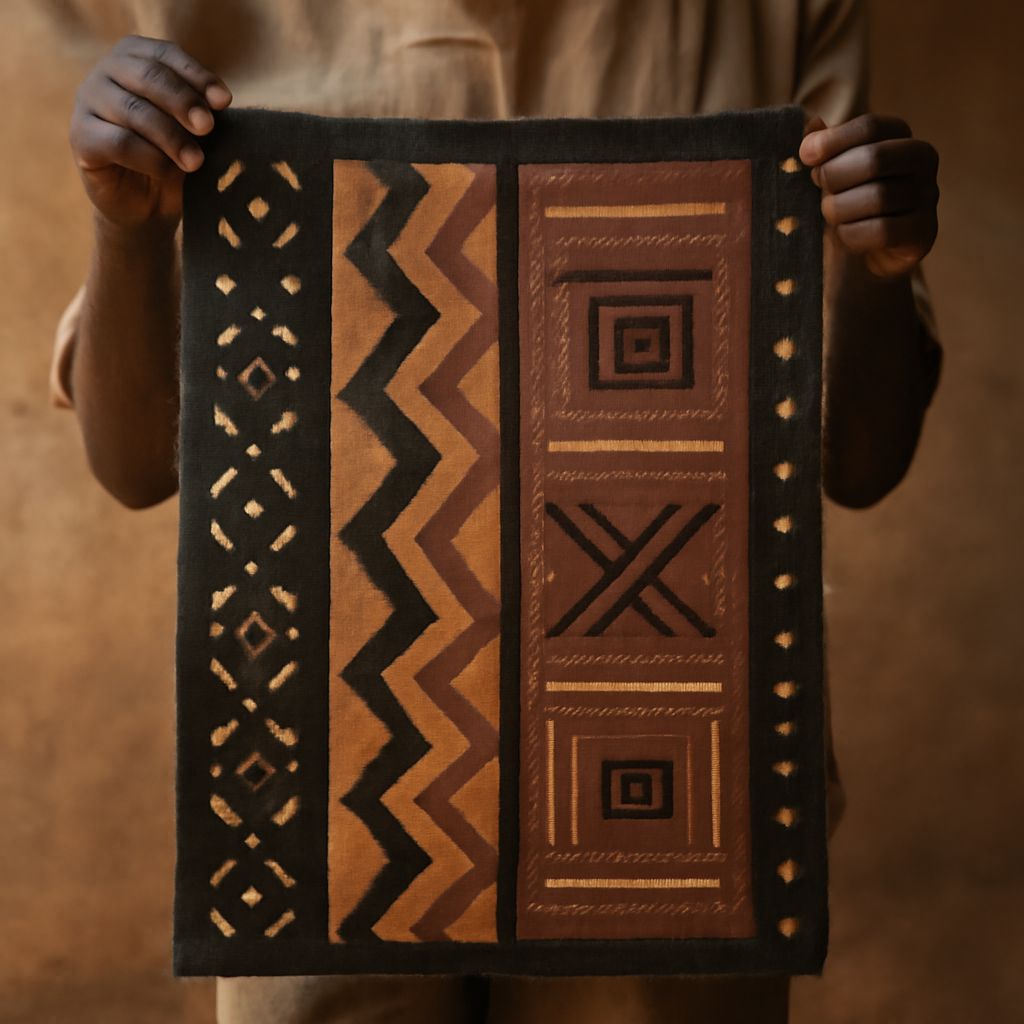
Mudcloth, also known as Bogolanfini, is a traditional Malian fabric that has captivated the world with its unique patterns and rich cultural heritage. This handmade textile is deeply rooted in the history and traditions of West Africa and continues to influence modern design and fashion. By exploring its origins, techniques, cultural significance, and contemporary uses, one gains a comprehensive understanding of mudcloth’s enduring appeal.
The Origins of Mudcloth
Mudcloth originated among the Bambara people of Mali. Its creation dates back to the 12th century, and it has been traditionally used in various cultural ceremonies. The term “Bogolanfini” translates to “mud” (bogo), “with” (lan), and “cloth” (fini) in the Bambara language, highlighting the unique method of using fermented mud to dye the fabric. Each piece of mudcloth tells a story, with symbols and patterns representing different aspects of life, such as social status, historical events, or proverbs.
Traditional Techniques in Mudcloth Creation
The process of making mudcloth is labor-intensive and requires a deep understanding of traditional methods passed down through generations. The craft begins with hand-spun cotton cloth, which is woven on narrow looms. The cloth is then soaked in a dye bath made from leaves of the n’gallama tree, giving it a yellow base color. Artisans paint intricate designs using fermented mud collected from riverbeds. Once the mud dries, the cloth is washed to reveal a stark contrast between the dark patterns and the lighter background. This method is repeated several times to deepen the colors and ensure longevity.
Cultural Significance of Mudcloth
Mudcloth holds immense cultural significance in Malian society. It is worn during important life events such as births, weddings, and funerals, serving as a symbol of cultural identity and tradition. The designs and symbols used in mudcloth are not merely decorative; they convey messages and tell stories. For instance, certain patterns might denote a person’s role within the community or signify protection and fertility. The fabric has also been used by hunters to camouflage and disguise themselves in the wild.
Modern Uses and Influence in Fashion and Design
Today, mudcloth has gained international recognition and is a staple in global fashion and interior design. Designers incorporate its bold patterns into clothing, accessories, and home decor, showcasing the fabric’s versatility. Fashion brands have embraced mudcloth for its authenticity and aesthetic appeal, often using it in collections to make cultural statements. Interior designers utilize mudcloth in upholstery, wall hangings, and pillows, adding a touch of ethnic flair to contemporary spaces.
The influence of mudcloth extends beyond aesthetics; it represents sustainability and cultural appreciation. As consumers become more conscious of ethical fashion, the handmade nature and cultural significance of mudcloth attract those looking to support traditional artisans and preserve cultural heritage.
