







Aperture is a fundamental element of photography that significantly impacts the quality and style of captured images. Understanding aperture, how it influences photos, and the method to measure it can elevate one’s photography skills. This article delves into what aperture means in photography, how it affects your pictures, and practical guidance on its use.
What is Aperture in Photography?
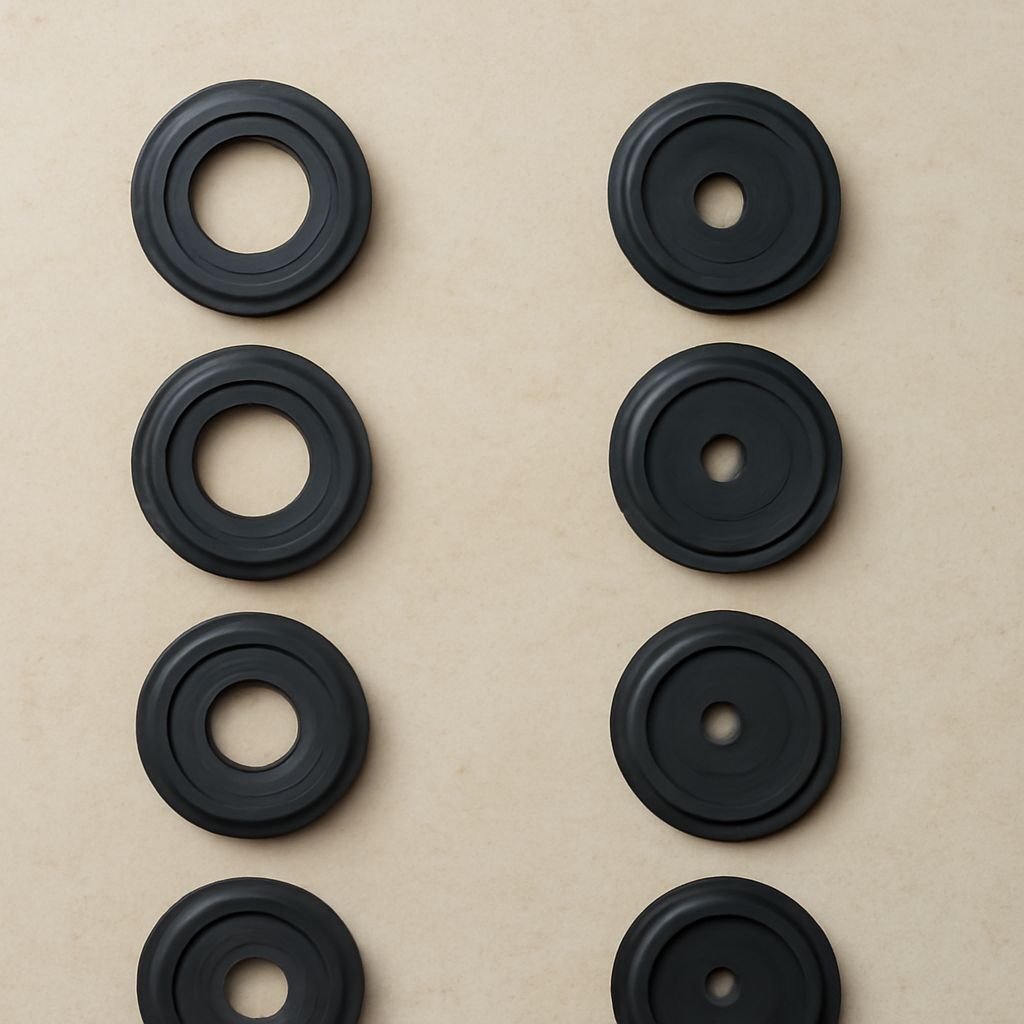
Aperture refers to the opening in a camera lens through which light passes to enter the camera. It is a crucial component of the exposure triangle, alongside shutter speed and ISO. The size of the aperture affects the amount of light that reaches the camera sensor, influencing the exposure and depth of field of the image. Aperture is usually denoted by an f-number or f-stop, such as f/2.8, f/4, or f/16.
How Aperture Affects Your Photos
The aperture setting has a direct impact on the exposure and depth of field in photography. A wider aperture (lower f-number) allows more light to hit the sensor, resulting in a brighter image, which is especially useful in low-light environments. Conversely, a narrower aperture (higher f-number) reduces the light entering the lens, producing a darker image suitable for bright conditions.
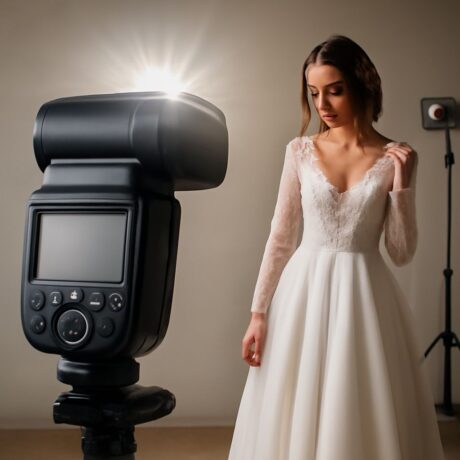
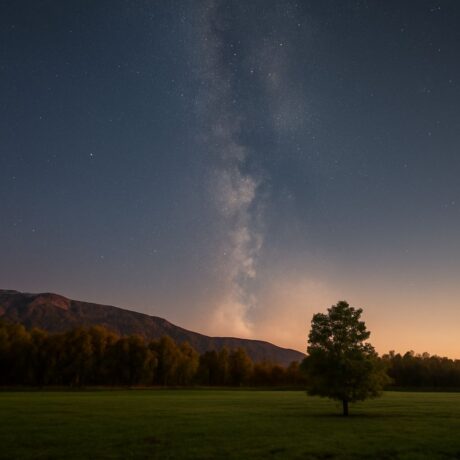
Aperture also influences the depth of field, which is the range of distance within a photo that appears acceptably sharp. A wide aperture results in a shallow depth of field, where the subject is in focus while the background is blurred, creating a bokeh effect. This is ideal for portraits. A narrow aperture provides a deep depth of field, keeping both the foreground and background in focus, which is beneficial for landscape photography.
How is Aperture Measured?
Aperture is measured using f-stops, which indicate the size of the lens opening. The f-stop scale is a sequence of numbers that represent the doubling or halving of the light entering the camera. Common f-stop values include f/1.4, f/2, f/2.8, f/4, f/5.6, f/8, f/11, f/16, and f/22. A smaller f-number corresponds to a larger aperture, allowing more light to pass through the lens, whereas a larger f-number corresponds to a smaller aperture, allowing less light.
The f-stop scale is logarithmic, meaning each step up or down the scale represents a halving or doubling of the amount of light admitted by the lens. For example, moving from f/2.8 to f/4 reduces the light by half, while moving from f/4 to f/2.8 doubles the light. Photographers often choose f-stop settings based on their desired exposure and depth of field.
Practical Tips for Using Aperture
- Consider the Lighting: In low-light conditions, use a wider aperture to allow more light into the camera. This helps in capturing bright and clear images without the need for a high ISO, which can introduce noise.
- Adjust for Depth of Field: Select a wide aperture for portraits to achieve a beautifully blurred background, focusing attention on the subject. For landscapes, opt for a narrow aperture to ensure everything from foreground to background is in sharp focus.
- Use Aperture Priority Mode: Most cameras feature an Aperture Priority mode, allowing photographers to set the aperture while the camera automatically adjusts the shutter speed for optimal exposure. This is a practical way to control depth of field without worrying about other settings.
- Experiment with Bokeh: To enhance the artistic quality of photos, experiment with different aperture settings to achieve varying bokeh effects. A wide aperture can produce soft, out-of-focus backgrounds with aesthetically pleasing highlights.
- Check Lens Compatibility: Not all lenses have the same aperture range. Ensure your lens supports the desired aperture settings to achieve the planned photographic effects.