








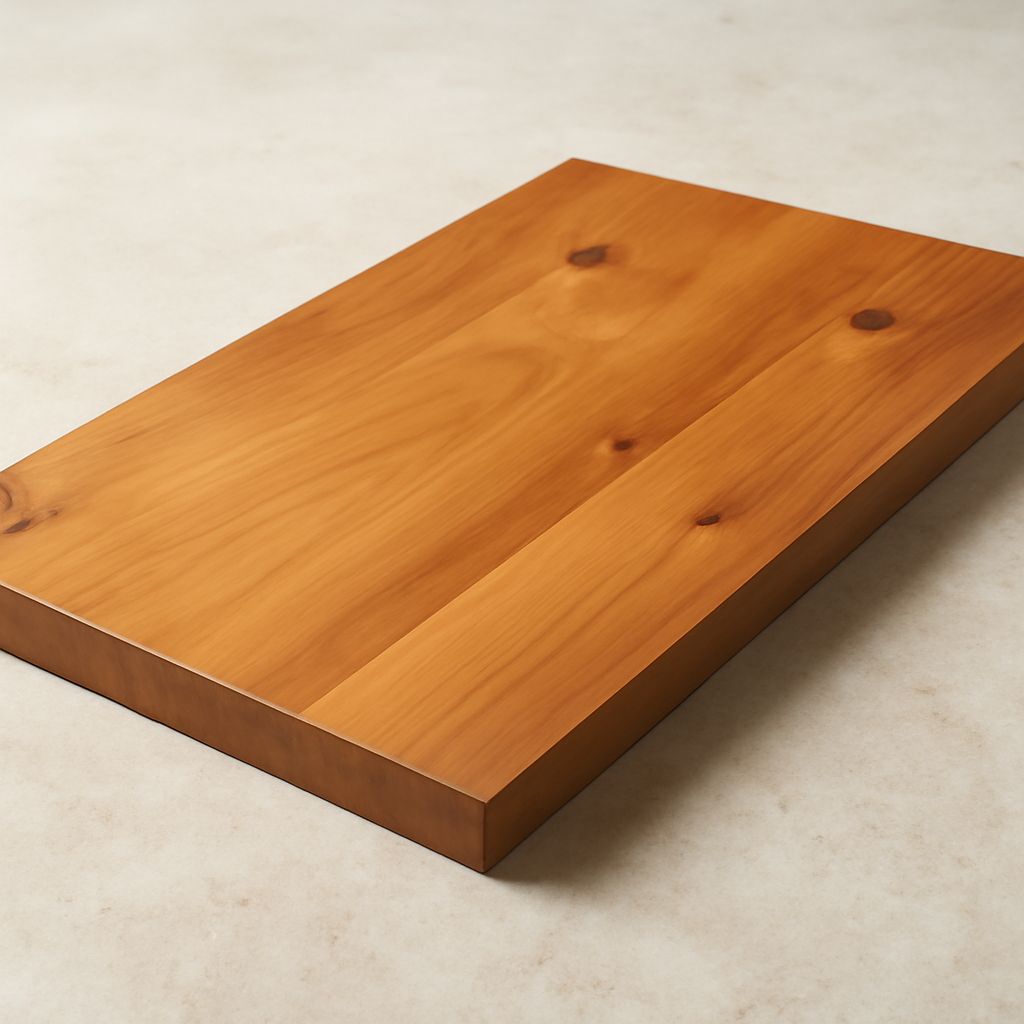
Alder wood is a versatile material highly valued in various industries. Known for its aesthetic appeal and practicality, it has become a popular choice for furniture, cabinetry, and other woodworking projects. This article explores the unique characteristics, uses, and benefits of alder wood to provide a comprehensive understanding of why it’s favored in these applications.
What Is Alder Wood?
Alder wood is derived from the alder tree, a member of the birch family typically found in the northern hemisphere. The most common type used in woodworking is red alder, native to the Pacific Northwest of the United States. Alder wood is considered a hardwood, although it is one of the softest in this category. This quality makes it easier to work with compared to other hardwoods.
Key Characteristics of Alder Wood
Alder wood possesses several distinct characteristics that make it suitable for various uses. The wood is typically light brown with a subtle reddish hue, which can darken over time when exposed to air and light. Its fine, even grain pattern offers a smooth surface that is easy to sand and finish. This makes alder wood an excellent choice for staining and painting, as it readily accepts finishes without blotching.
Additionally, alder wood is relatively lightweight and has a moderate density, offering a good balance between strength and workability. Its uniform texture and lack of pronounced grain make it less prone to warping, a common issue in woodworking. These qualities contribute to its popularity in both commercial and residential applications.
Common Uses of Alder Wood
Alder wood is frequently used in the production of furniture, cabinetry, and millwork. Its consistent grain and color make it ideal for pieces that require a smooth, uniform appearance. It is a popular choice for kitchen cabinets, dining tables, and bedroom furniture due to its aesthetic and functional qualities.
In addition to furniture, alder wood is used in the manufacturing of doors, window frames, and moldings. Its relative softness allows for intricate carving and detailing, making it a favorite among artisans and craftsmen. Alder wood is also used in musical instruments, particularly in electric guitar bodies, where its tonal properties are appreciated.
Benefits of Using Alder Wood
Using alder wood in projects comes with numerous benefits. Its workability is one of its greatest advantages, as it can be easily cut, shaped, and joined. This property reduces labor time and costs, making it an economical choice for woodworkers.
The aesthetic appeal of alder wood cannot be understated. Its natural color and texture provide a warm, inviting look that complements various design styles, from rustic to contemporary. Whether left natural or stained, the beauty of alder wood enhances the visual appeal of any space.
Moreover, alder wood is a sustainable option. The trees grow relatively quickly compared to other hardwoods, making them a more renewable resource. This aspect, combined with the wood’s durability and versatility, contributes to its growing popularity in eco-conscious markets.
Finally, alder wood’s stability and resistance to warping make it a reliable choice for long-lasting furniture and fixtures. Its ability to hold finishes well ensures that projects maintain their appearance over time, offering both aesthetic and functional longevity.
