









The phrase dragons tooth carries a compelling blend of myth, symbolism, and practical use across history and cultures. While it originated in ancient legends, the term has found relevance in literature, folklore, military terminology, and even landscape features. Examining the roots, varied meanings, and cultural resonance of “dragons tooth” reveals why it remains a powerful image in human storytelling and creativity.
What Is a Dragons Tooth?
A dragons tooth is most commonly known as a mythical object from ancient stories, particularly Greek mythology. In its original context, it refers to the literal tooth of a dragon or serpent, often imbued with magical or transformative properties. The most famous instance occurs in the tale of Cadmus, a Phoenician prince. Guided by the gods, Cadmus slew a sacred dragon and was instructed to sow its teeth into the ground. From these teeth emerged armed warriors, known as the Spartoi, who would fight until only a handful survived. In this foundational myth, a dragon’s tooth becomes a seed of conflict, birth, and transformation.
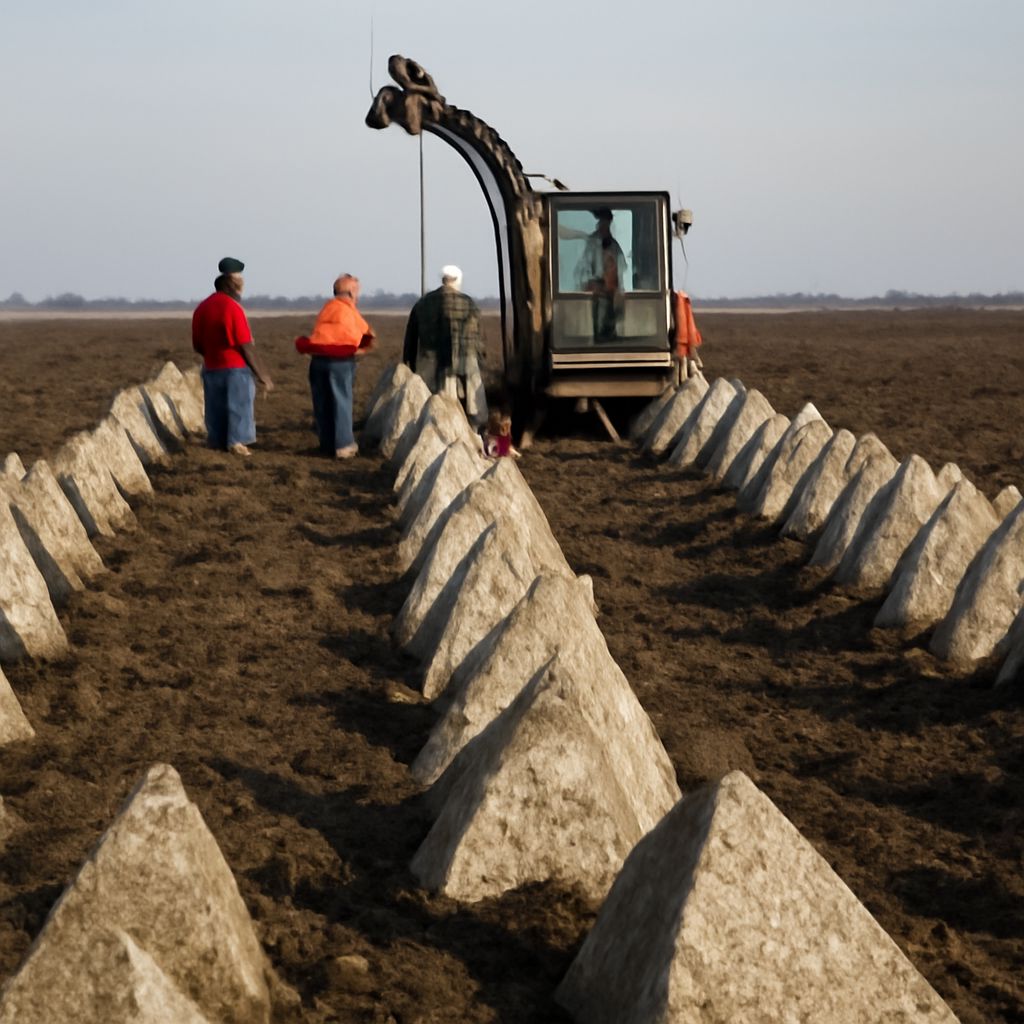
Beyond myth, the term has evolved to denote several objects and symbols. In military engineering, “dragons teeth” (plural) refer to pyramid-shaped concrete fortifications designed to block or delay tanks and vehicles. This practical adaptation of the legendary term reflects its enduring association with barriers, power, and formidable challenges.
In geology and hiking, “dragons tooth” may describe a sharply pointed rock or mountain formation, such as the well-known Dragons Tooth peak along Virginia’s Appalachian Trail. These natural features evoke the fierce imagery and formidable presence of their mythological namesake, bridging the gap between story and physical landscape.
Dragons Tooth in Mythology and Literature
The origin of the dragons tooth in mythology is deeply rooted in Greek legend. Cadmus’s adventure is detailed in classical sources, where the sowing of the dragon’s teeth produces not crops, but warriors. Jason, leader of the Argonauts, later repeats a similar act in his quest for the Golden Fleece, sowing the teeth of a dragon as part of his trials. This motif illustrates the dragon’s tooth as an agent of both creation and destruction—planting it literally gives rise to new life, yet that life is immediately embroiled in conflict.
In literature, the dragons tooth has become shorthand for sowing discord or unleashing unforeseen consequences. The phrase “to sow dragon’s teeth” entered common usage to describe actions that set in motion trouble or strife. Ancient writers used it as a metaphor for the unpredictable results of war, ambition, or misused power. The transformative potential of the dragons tooth—giving rise to warriors, chaos, or new beginnings—offers writers a compelling symbol for pivotal moments of change.
Modern authors and poets continue to reference the dragons tooth. C.S. Lewis, for example, incorporated the motif into his Chronicles of Narnia; other writers use dragons teeth as magical objects, tokens of power, or plot devices that initiate dramatic events. The phrase also appears in political commentary, often to suggest that aggressive actions may yield unintended and uncontrollable outcomes, echoing the ancient warning inherent in the myth.
Modern Uses and Interpretations of Dragons Tooth
Today, the most widespread practical use of the dragons tooth concept is found in military engineering. “Dragons teeth” describe robust, pyramid-like concrete blocks emplaced on battlefields or defensive lines to impede the advance of tanks and armored vehicles. This application was notably widespread during World War II, with extensive lines of dragons teeth constructed along the Siegfried Line in Germany and other fortified borders. Their imposing shape and function directly reference the impenetrable strength and obstacle that a mythical dragon’s tooth would suggest.
In urban planning and traffic management, a “dragons tooth” can also refer to a series of triangular road markings or raised elements designed to slow vehicles and alert drivers to hazards. These features aim to create a visual and physical deterrent, channeling the enduring association of the dragon’s tooth with protective boundaries and obstacles.
Recreationally, the term is immortalized in the names of distinctive geological landmarks. Dragons Tooth peak in Virginia is a popular hiking destination, known for its dramatic, jagged stone formation that juts into the sky like a fang. Hikers are drawn to such features for the challenge and the evocative imagery, reinforcing the connection between the mythical and the physical world. Other mountains, crags, and rock formations globally have earned the name for their sharp, tooth-like profiles.
In contemporary fantasy and gaming, dragons teeth may serve as magical artifacts or rare items, often associated with the same themes of conflict, creation, and transformation found in their ancient origins. These uses illustrate how the concept continues to evolve, adapting to new contexts while retaining its symbolic weight.
Why Dragons Tooth Captures the Imagination
The enduring fascination with the dragons tooth lies in its rich tapestry of meanings and resonances. At its core, the image fuses danger, potential, and wonder. The act of sowing a dragon’s tooth and watching warriors spring from the earth is a powerful metaphor for unleashing latent forces, whether creative or destructive. This dynamic appeals to storytellers, artists, and strategists alike, providing a flexible symbol for transformation, risk, and the unknown.
In cultural memory, the dragons tooth represents both the seeds of conflict and the potential for new beginnings. It evokes the duality of human nature—the capacity to create as well as destroy. The myth’s adaptation into physical form, such as defensive barriers or challenging landforms, demonstrates how ancient symbols can influence practical design and collective experience.
The dragons tooth also captures the imagination because it connects the spiritual and material worlds. In mythology, it bridges the gap between legendary creatures and human action; in contemporary use, it bridges the gap between myth and modernity. This synthesis ensures that the dragons tooth remains a potent, adaptable motif across storytelling, art, defense, and the landscape itself.
Ultimately, the persistent allure of the dragons tooth arises from its ability to embody power, transformation, and the mysteries that lie just beneath the surface of ordinary experience. Whether encountered in myth, on a mountain trail, or in the architecture of defense, the dragons tooth endures as a vivid reminder of the enduring power of myth and symbol.