








Mud cloth, or African mudcloth, is a traditional textile that holds both historical and cultural significance. Originating from West Africa, particularly Mali, mud cloth is renowned for its unique handmade patterns and uses in various aspects of fashion and design. Understanding mud cloth involves exploring its history, creation process, and modern applications.
What is Mud Cloth?
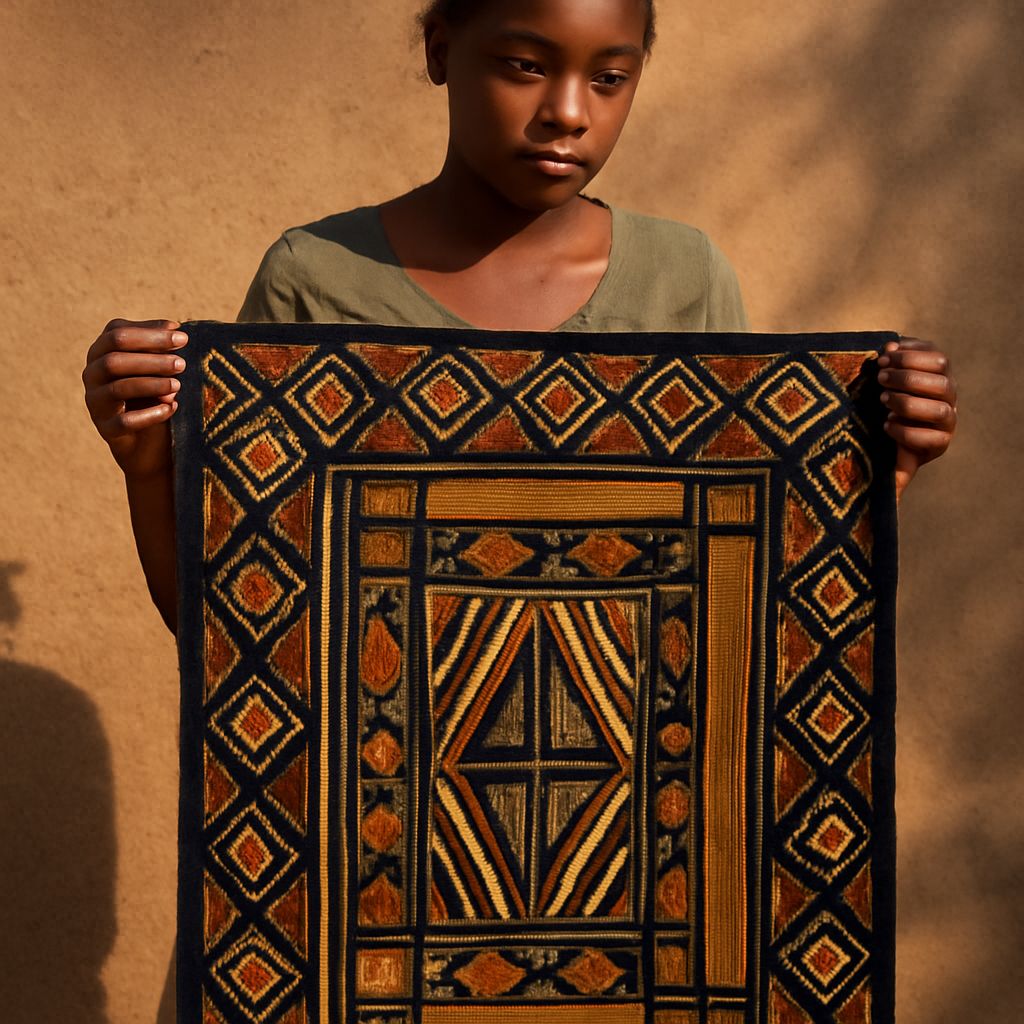
Mud cloth is a handwoven fabric known for its distinctive patterns created using natural dyes. This textile is traditionally made from cotton and is characterized by geometric shapes and symbols that often hold cultural meanings. Mud cloth is typically dyed using fermented mud and plant dyes, resulting in its characteristic earthy colors and intricate designs.
The History of African Mudcloth
The origin of African mudcloth can be traced back to the Bamana people of Mali. Historically, mud cloth played a vital role in Malian culture, used in ceremonial garments and as a form of storytelling through its patterns and symbols. Each piece of mud cloth is unique, with designs that represent the maker’s personal stories, cultural heritage, and societal values. This textile has been passed down through generations, preserving the rich traditions and techniques involved in its creation.
How Mud Cloth is Made
Materials Used
The primary material used in mud cloth production is locally sourced cotton. The cotton is handwoven into strips, which are then sewn together to create larger pieces of fabric. Natural dyes are a crucial component of mud cloth making, with colors derived from local plants, leaves, and fermented mud.
Traditional Techniques
The process of creating mud cloth is labor-intensive and requires significant skill and patience. After the cotton is woven, the fabric is soaked in a dye bath made from natural ingredients. Patterns are then meticulously hand-painted using fermented mud, which acts as a resist. The cloth is left to dry in the sun, allowing the mud to set and the colors to deepen. This process can be repeated multiple times to achieve the desired depth and complexity of pattern.
Modern Uses of Mud Cloth
Fashion and Design
In contemporary fashion, mud cloth has gained popularity for its unique aesthetic and cultural significance. Designers often incorporate mud cloth into garments such as jackets, dresses, and accessories, celebrating its traditional craftsmanship while offering modern interpretations. The intricate patterns and earthy tones add a distinctive touch to contemporary design, appealing to those interested in both fashion and cultural heritage.
Home Decor
Mud cloth has also made its way into home decor, where it is used for items such as upholstery, throw pillows, wall hangings, and curtains. Its rich textures and patterns can bring warmth and authenticity to interior spaces, making it a sought-after element in rustic and eclectic design schemes. Mud cloth offers a way to incorporate cultural narratives into modern living spaces, enriching the aesthetic with stories from its origins.
Incorporating Mud Cloth into Your Life
Incorporating mud cloth into everyday life can be a rewarding experience, connecting individuals to a piece of African heritage. Fashion enthusiasts can look for mud cloth apparel that speaks to their style, while interior designers might explore incorporating mud cloth elements for a touch of global influence. Whether through clothing, accessories, or home decor, mud cloth provides a meaningful way to celebrate traditional craftsmanship and cultural stories in a modern context.