








Regency era clothing is instantly recognizable for its understated elegance, high-waisted silhouettes, and refined tailoring. Emerging during the early 19th century, these fashions bridged the late Georgian and early Victorian periods, reflecting dramatic changes in society, taste, and technology. Clothing from this era remains influential in period films and historical reenactments, offering a window into a time when what people wore signaled everything from social status to changing ideals of beauty and comfort.
This article examines regency era clothing by breaking down its defining features, explaining the most important styles for women and men, exploring the fabrics and colors that dominated the period, and showing how fashion was closely tied to questions of class and identity.
What Defines Regency Era Clothing?
Regency era clothing refers to the fashions worn in Britain roughly between 1795 and 1837, with the heart of the style era centered between 1811 and 1820 during the regency of the future King George IV. The period was marked by a significant departure from the elaborate, heavily structured garments of the late 18th century. Instead, clothing became lighter, simpler, and more natural in appearance, echoing the influences of classical antiquity and Enlightenment ideals.
One of the most recognizable features of regency era clothing is the high waistline, often called the empire waist, which sits just under the bust rather than at the natural waist. This design dominated women’s fashion and gave garments a columnar, elongated look. For both genders, Regency fashion embraced a more streamlined silhouette, prioritizing comfort and movement over the stiff formality of previous generations.
Clothing also began to reflect a greater distinction between day and evening wear, with specific garments and accessories designated for different times and social occasions. Simplicity, elegance, and a restrained sense of luxury characterized the period, resulting in styles that remain popular in costume dramas and historical interpretations today.
The regency era was also distinguished by an increasing influence from continental Europe—especially France—on patterns, cuts, and accessories, which further contributed to the era’s shift toward refinement and subtlety in personal dress. Both men’s and women’s styles reflected these trends, though each with unique elements.
Key Styles for Women and Men
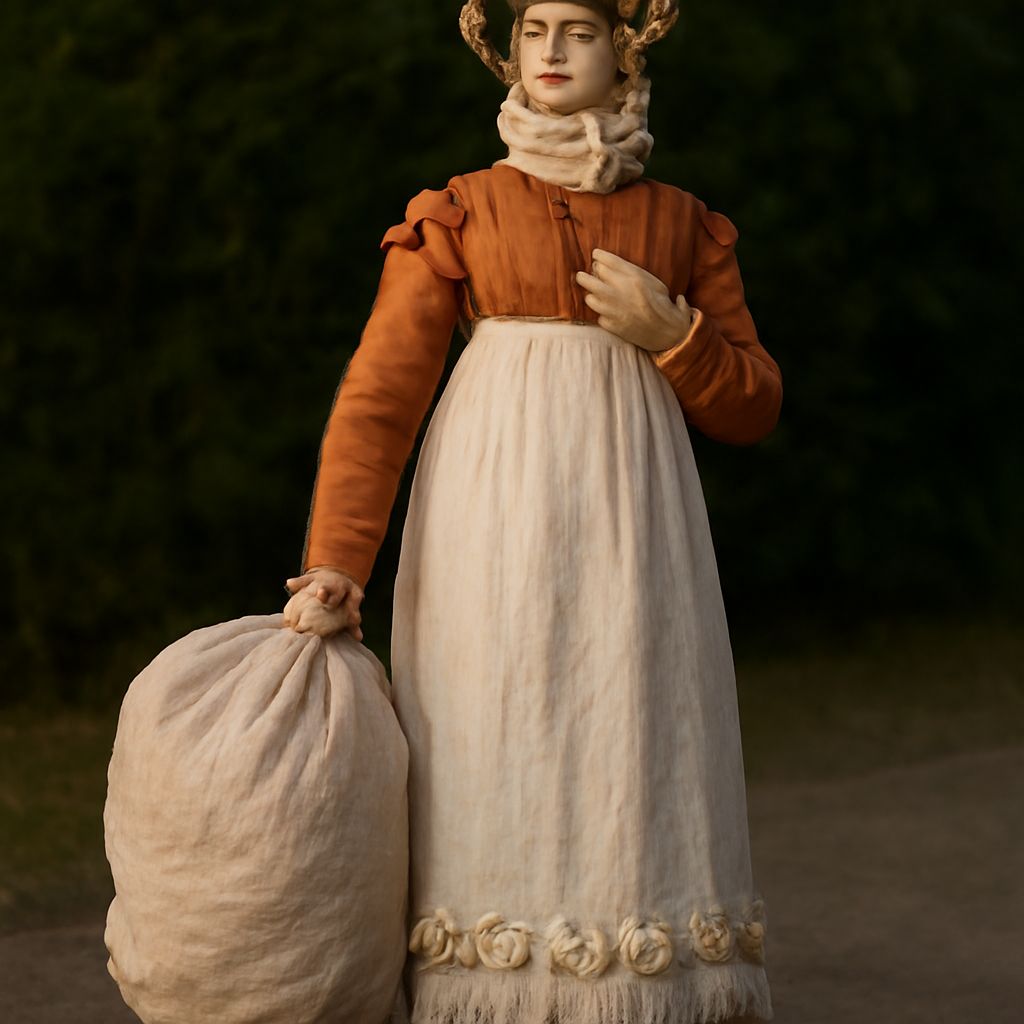
Regency era clothing for women was shaped by the empire waist gown, a style defined by a fitted bodice ending just below the bust and a loose, flowing skirt. Day dresses were often made from lightweight, white cotton or muslin, featuring short puffed sleeves and minimal trim. For formal occasions, evening gowns incorporated finer fabrics such as silk, sometimes with low necklines and short sleeves, and were embellished with embroidery, ribbons, or beading.
Outerwear was essential in the period’s variable climate. Women commonly wore spencers (short, fitted jackets), pelisses (long, coat-like garments), and shawls in cashmere or wool. Accessories completed the look: bonnets with wide brims, elbow-length gloves, and delicate slippers. Underclothing included chemises, stays (a form of light corsetry), and petticoats, which provided modesty and subtle shaping without the severe constriction of earlier corsets.
Men’s regency era clothing shifted away from ornate court styles to tailored, practical garments inspired by English country life. The standard ensemble included a linen shirt, a cravat (neckcloth), a waistcoat, and breeches or, increasingly, long, slim trousers. The cutaway tailcoat, with its fitted waist and flared skirts, became the epitome of regency menswear. During the day, colors were often subdued, while evening attire featured darker coats and waistcoats in rich fabrics.
Completing the men’s ensemble were accessories such as top hats, gloves, and boots polished to a mirror shine. For outerwear, the greatcoat or the caped riding coat was typical, especially for travel. The regency era also saw the rise of the dandy—men like Beau Brummell—who influenced the meticulous attention to grooming and the fit of garments, setting trends for subsequent generations.
Fabrics and Colors of the Regency Era
The choice of materials in regency era clothing was driven by changes in textile production and trade. Cotton, muslin, and fine linens became widely available and popular for women’s day dresses, celebrated for their lightness and drape. Muslin, imported from India, was especially prized for its soft texture and ability to take on fashionable pale shades. For eveningwear and formal occasions, silk and satin provided a luxurious finish, often adorned with lace, embroidery, or metallic trims.
Men’s clothing relied heavily on wool for coats and trousers, linen for shirts, and silks or brocades for waistcoats. The tailoring of the period demanded fabrics that could hold crisp lines yet remained comfortable throughout the day. Velvet and cashmere appeared in accessories like waistcoats, scarves, and outerwear, adding depth and texture to men’s outfits.
The regency palette emphasized light, pastel, or muted colors for women’s attire during the day, with white and pale blue among the most fashionable shades. These paler tones were associated with youth, refinement, and a classical sense of beauty. Eveningwear allowed for richer hues: deep greens, royal blues, and gold or silver accents. Men’s daywear gravitated towards earth tones, navy, and grey, while evening dress permitted dark, dramatic colors with contrasting waistcoats or cravats for emphasis.
Trends in color and fabric were also influenced by the season, with heavier materials and darker shades for winter and lighter, more delicate textiles for summer. Patterns tended to be subtle: small florals, stripes, and delicate embroidery were preferred over bold prints or heavy ornamentation. The overall effect was one of understated sophistication, aligning with contemporary ideals of taste and propriety.
Clothing as a Marker of Social Class
Regency era clothing served as a clear visual marker of social class and economic status. The quality of materials, the intricacy of garment construction, and the currency of the style all played a role in signaling an individual’s place in society. The upper classes set the trends, able to afford the finest imported fabrics, custom tailoring, and frequent changes to their wardrobes to keep up with the latest fashions. Attending balls, assemblies, and public events required new and fashionable ensembles to display wealth and propriety.
Middle-class families aspired to these fashions, often emulating the styles of the elite but with less expensive fabrics and fewer embellishments. Ready-made clothing and the expansion of drapers’ shops allowed more people to access current trends, though distinctions in quality and fit remained. For the working class and the poor, clothing was utilitarian and durable, made from coarser wool, linen, and cotton, and typically in darker, more practical colors. Garments were frequently repaired and repurposed to extend their lifespan, and hand-me-downs were common.
Occupational dress also played a role in distinguishing class and role, from the liveried servants in wealthy households to the uniforms of military officers and civil servants. The ability to adhere to the conventions of regency fashion often depended on both financial resources and social connections.
Strict etiquette governed when and how certain garments could be worn. An individual’s appearance was constantly evaluated, influencing first impressions and social mobility. For women, an out-of-date dress or an improperly styled bonnet could signal reduced circumstances; for men, an ill-fitting coat or faded waistcoat might undermine one’s standing among peers. In this way, regency era clothing was more than mere self-expression—it was a public declaration of identity and aspiration.