







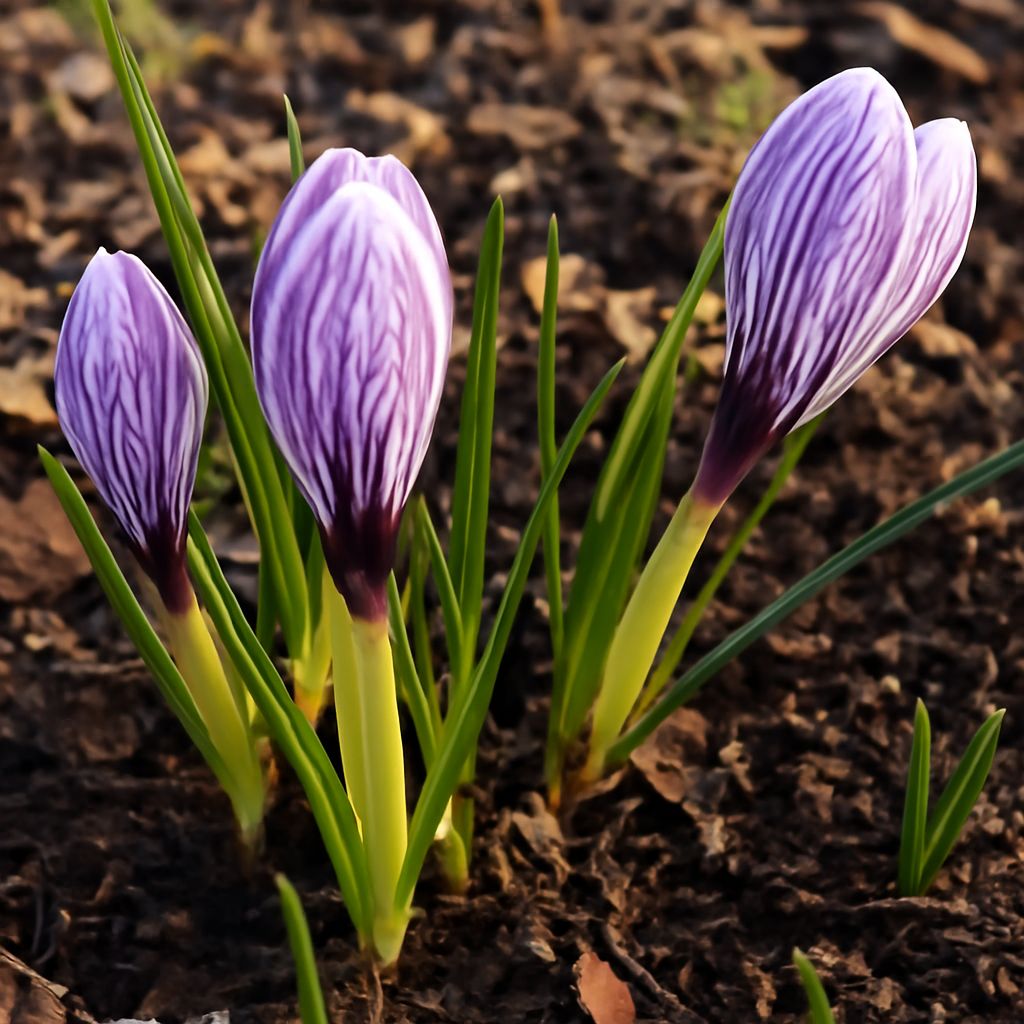
The crocus flower, known for its vibrant blooms, holds a rich tapestry of meanings and symbolism across various cultures. This delicate flower, often one of the first to bloom in spring, has captured the imagination of many, offering insights into renewal, hope, and joy. Exploring the crocus flower meaning provides a glimpse into its significance and how it has been interpreted through history and art.
Introduction to the Crocus Flower
The crocus is a perennial plant belonging to the Iris family, known for its colorful blossoms that range from purple and yellow to white and pink. These flowers typically bloom during late winter and early spring, symbolizing the end of winter and the beginning of a new season. The crocus’s ability to thrive in harsh conditions and bloom in the cold weather makes it a beacon of hope and resilience.
The Meaning of the Crocus Flower
The primary meaning associated with the crocus flower is renewal and rebirth. Its emergence from the snow signifies the awakening of life after a period of dormancy. Often used in gardens and landscapes to represent the promise of spring, the crocus flower meaning extends to themes of cheerfulness and optimism. In floristry, crocuses are sometimes gifted to express sentiments of joy and a fresh start.
Symbolism of the Crocus in Various Cultures
Crocus in Ancient Greece
In ancient Greek mythology, crocuses were linked to the story of Crocus and Smilax, where Crocus was transformed into a flower after dying from unrequited love. As such, the crocus symbolizes youthful passion and longing. The Greeks also associated crocuses with the god Hermes, seeing them as symbols of communication and travel.
Crocus Symbolism in Modern Culture
In contemporary culture, the crocus is often seen as a symbol of hope and new beginnings. It is used in various ceremonies to represent the end of hardship and the ushering in of better times. The flower is also featured in artworks and literature as a metaphor for resilience, mirroring the challenges faced and overcome in personal and communal narratives.
The Crocus in Literature and Art
The crocus flower has been an emblem in literature and art, depicting themes of beauty, transformation, and renewal. Poets and writers have used the crocus to symbolize the fleeting nature of life and the joy of rediscovery. In art, the flower is often illustrated in paintings to capture its vibrant colors and delicate structure, serving as a reminder of nature’s enduring spirit.
How to Use Crocus Symbolism in Writing
Writers can harness crocus symbolism to convey themes of hope, rebirth, and resilience. When crafting narratives, including the crocus can emphasize a character’s journey through adversity to renewal. In poetry, the crocus can illustrate the beauty of new beginnings and the cycle of life. By incorporating crocus symbolism, authors can enrich their storytelling with layers of meaning and cultural depth.