









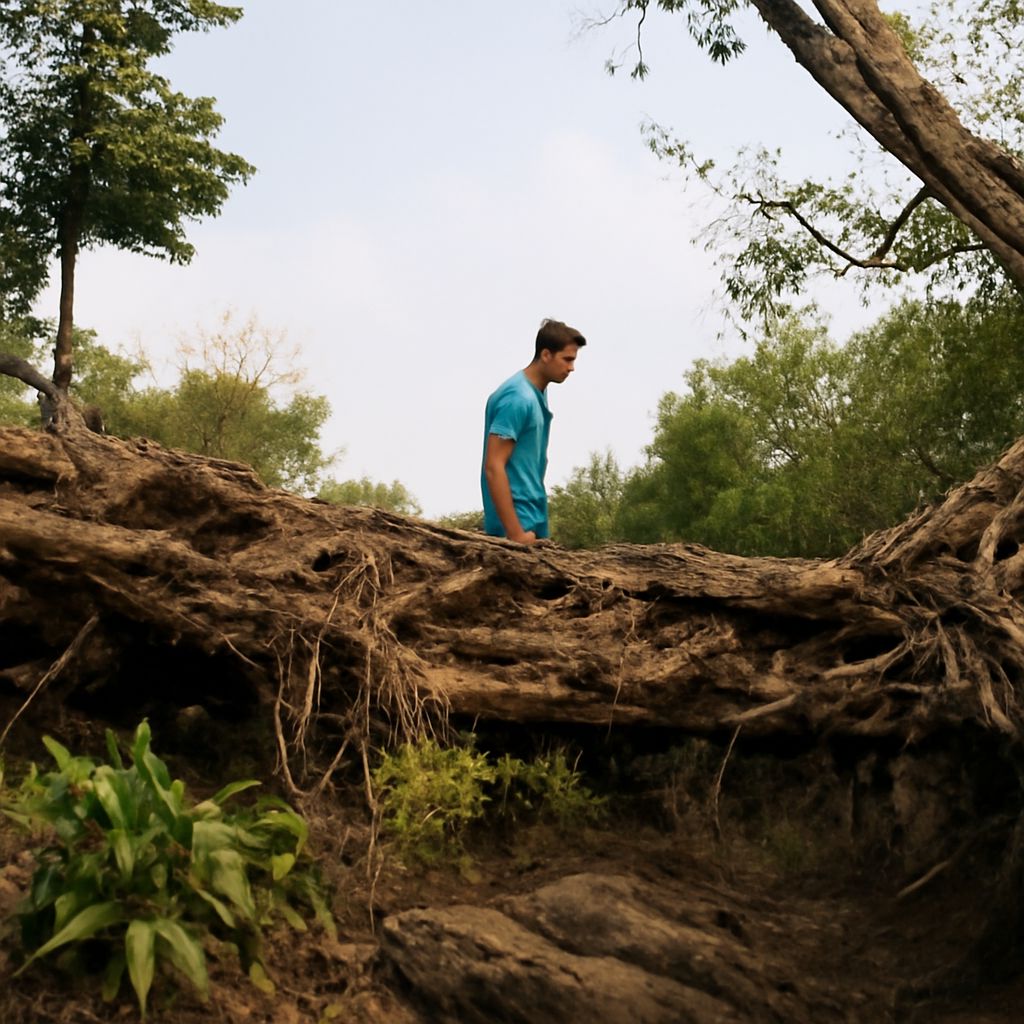
Living bridges are fascinating natural structures where the roots of trees intertwine to form sturdy, functional crossings over rivers or streams. These remarkable formations are primarily found in the northeastern regions of India, particularly in the state of Meghalaya, and are also known as living root bridges. They represent an extraordinary collaboration between humans and nature, showcasing a sustainable approach to bridge building. As both a functional infrastructure and a cultural symbol, these bridges continue to captivate those who encounter them.
What Are Living Bridges?
Living bridges are crafted using the aerial roots of Ficus elastica trees, a type of Indian rubber tree. Over time, these roots are manipulated to grow across a river or stream, eventually becoming robust enough to support the weight of people crossing. Unlike conventional bridges built from concrete or steel, living bridges are organic structures that can live and grow for centuries. Their ability to withstand the harsh climatic conditions of the region is a testament to their durability and resilience.
The process of creating living bridges is both intricate and time-consuming. It involves guiding the roots along pre-determined paths using bamboo or wooden scaffolds until they reach the opposite bank. This natural engineering feat is achieved through the knowledge and techniques passed down across generations.
The Unique Formation of Living Root Bridges
Living root bridges are formed through a process that leverages the natural growth patterns of Ficus elastica. The roots are coaxed to grow horizontally over rivers by channeling them through hollow trunks or branches laid across the water. As these roots cross the span, they gradually thicken and intertwine, creating a solid base.
Typically, it takes 15 to 20 years for a living root bridge to become fully functional. Once established, these bridges can support the weight of dozens of people simultaneously. Some of the most famous living root bridges, such as those found in the village of Nongriat, have multiple tiers, offering a unique architectural spectacle.
The construction and maintenance of living root bridges are carried out by local communities, who possess a deep understanding of the trees’ biology and the skills required to shape them effectively. This collaborative effort ensures the sustainability and longevity of the bridges.
Cultural Significance and Impact
Living bridges are more than just physical structures; they hold significant cultural importance for the communities that rely on them. In regions where they are prevalent, these bridges are seen as symbols of resilience and harmony with nature. They represent an indigenous approach to engineering that respects and utilizes the land’s natural resources.
The presence of living root bridges has helped boost local tourism, drawing visitors from around the globe eager to witness these natural wonders firsthand. This influx of tourism provides economic benefits to the region, encouraging the preservation of traditional practices and environmental stewardship.
Moreover, these bridges have become iconic representations of the unique ecological and cultural heritage of Meghalaya, highlighting the intricate relationship between human life and the environment.
Preservation and Challenges
Preserving living bridges involves addressing several challenges, from environmental threats to changes in traditional lifestyles. Climate change poses a significant risk, potentially affecting the growth patterns of the trees and the rivers they span. Additionally, the increasing migration of younger generations to urban areas threatens the continuity of the skills needed to cultivate and maintain these structures.
Efforts to conserve living bridges include initiatives to educate the younger generation about their cultural significance and the techniques required for their upkeep. Local governments and non-profit organizations are also working to raise awareness and promote sustainable tourism that respects and protects these natural formations.
To ensure the survival of living root bridges, it is essential to balance modernity with tradition, leveraging technology and community involvement to safeguard these natural connections for future generations.