









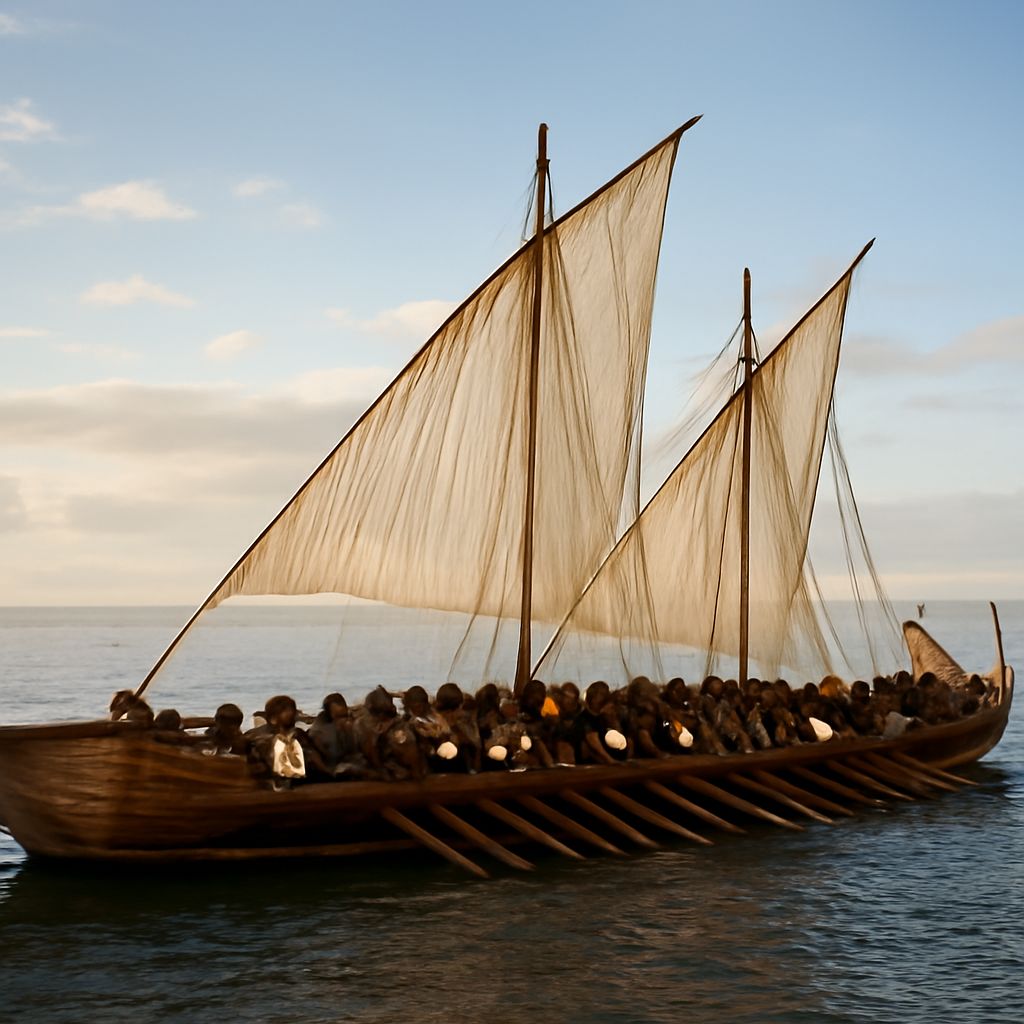
The dromon, a legendary Byzantine warship, played a pivotal role in Mediterranean naval warfare from the early centuries of the Byzantine Empire. Its design and strategic use solidified Byzantine dominance over the seas, highlighting the Empire’s formidable naval capabilities. This exploration delves into the historical significance, architectural marvels, and lasting impact of the dromon ship.
The Origin and Evolution of the Dromon
The dromon emerged as a successor to the ancient Greek and Roman naval vessels, evolving significantly from these predecessors. It first appeared in the Byzantine fleet around the 6th century AD. Initially, dromons were used as fast reconnaissance vessels and light warships, but they soon became the primary warship of the Byzantine navy. Over time, the dromon’s design evolved to incorporate advanced features that enhanced its speed and effectiveness in battle, including the introduction of the lateen sail and the use of Greek fire, a powerful incendiary weapon.
Design Features of the Dromon Ship
The dromon’s design was innovative, making it a formidable force on the seas. Typically, these ships were double-banked galleys, meaning they had two rows of oars on each side. The average dromon measured about 30 meters in length and was propelled by approximately 100 oarsmen. The use of the lateen sail allowed for greater maneuverability against the wind, a significant advantage over traditional square sails. Additionally, the dromon was equipped with a foredeck-mounted siphon that could project Greek fire, making it particularly feared in naval battles.
The Role of the Dromon in Byzantine Warfare
The dromon was central to Byzantine naval strategy and warfare, serving as the Empire’s primary ship for both offensive and defensive operations. Its speed and agility made it ideal for chasing down enemy vessels and executing quick strikes. During sieges, the dromon provided crucial support and maintained blockades. The employment of Greek fire gave the Byzantine navy a tactical advantage, enabling them to repel superior forces and protect their coastal territories. The effectiveness of the dromon ship in battle is evidenced by numerous successful campaigns that expanded and defended Byzantine influence throughout the Mediterranean.
Legacy and Impact of the Dromon
The dromon’s legacy is significant, as it influenced shipbuilding and naval warfare strategies for centuries. Its design elements, particularly the lateen sails and the use of incendiary weapons, were adopted by subsequent naval powers. The dromon ship’s success exemplified the strategic importance of maintaining a powerful navy, a concept that continued to resonate throughout military history. Its impact is not only seen in Byzantine victories but also in the inspiration it provided to other civilizations in their development of advanced naval technology.