









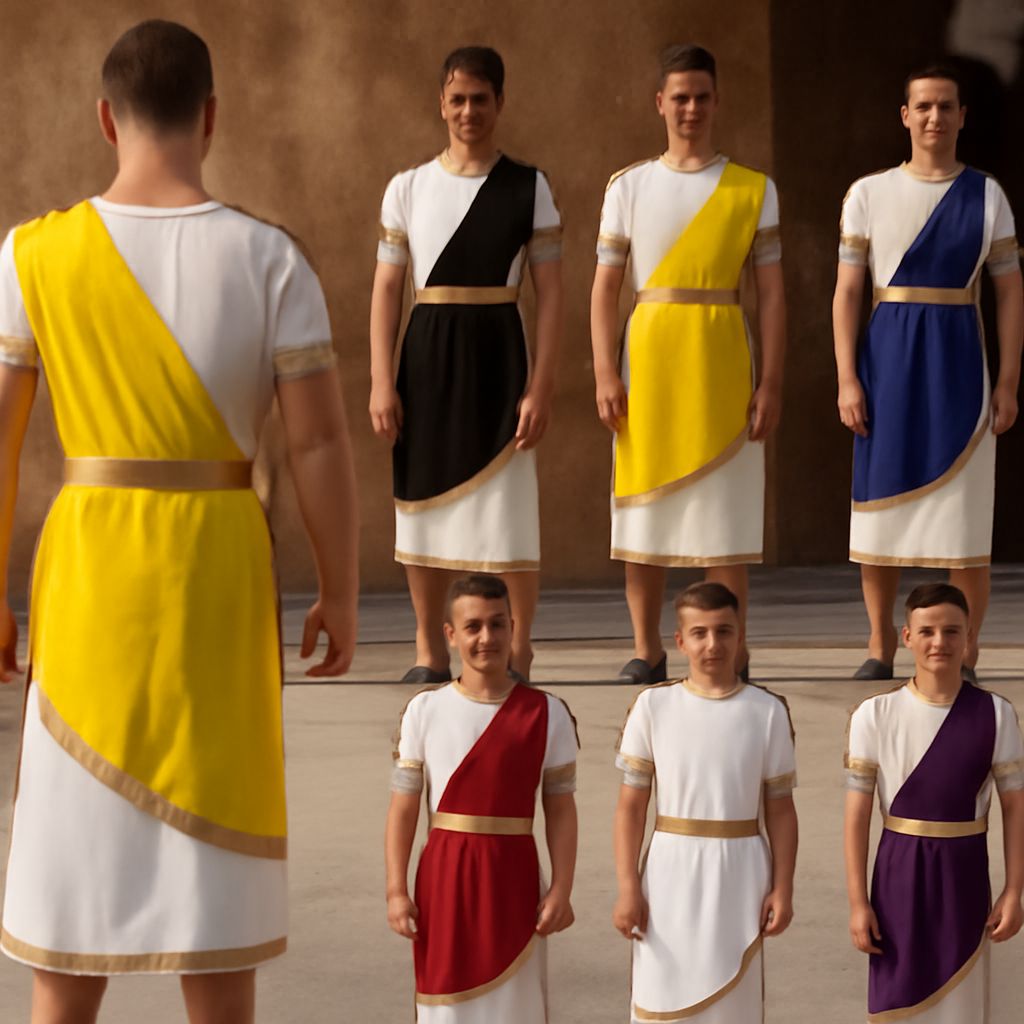
Greek traditional clothing is a vibrant tapestry of history, culture, and artistry that reflects the diverse regional identities within Greece. This attire has evolved over centuries, influenced by various conquering empires and local traditions. Each piece of clothing tells a story, embodying both the past and the ongoing cultural expression of the Greek people.
History and Cultural Significance
The history of Greek traditional clothing is deeply intertwined with the country’s historical events and cultural milestones. During the Byzantine era, Greek attire was heavily influenced by the opulent styles of the empire, characterized by rich fabrics and intricate embroidery. As Greece fell under Ottoman rule, traditional clothing adapted to include elements like wide trousers and fez hats, blending local and foreign styles.
Greek traditional clothing is not just about fashion; it is an expression of cultural identity. Many garments are worn during national holidays, festivals, and religious ceremonies, symbolizing patriotism and cultural pride. These clothes serve as a visual representation of the rich history and diverse culture of Greece, maintaining a vital connection to the past.
Common Elements in Greek Traditional Attire
Despite regional variations, several common elements can be found in Greek traditional attire. The base garments typically include a chemise or shirt, often made from linen or cotton, providing a canvas for more elaborate outer garments. Men commonly wear a “fustanella,” a pleated skirt-like garment, while women don “amalia,” a traditional dress with intricate embroidery.
Accessories are prominent in Greek traditional clothing. Elaborate headpieces, belts, and jewelry often accentuate both men’s and women’s attire. These elements not only enhance the visual appeal but also signify social status, marital status, and regional affiliation. Footwear such as “tsarouchia,” leather shoes with pom-poms, are also a distinctive component of Greek attire.
Regional Variations Across Greece
Greek traditional clothing varies significantly across different regions, reflecting local customs and climates. In Epirus, for example, the attire tends to be more elaborate, with richly decorated vests and gold jewelry. The island of Crete is known for its long black breeches and distinctive headscarves. Each region’s clothing style is a testament to its unique historical influences and environmental conditions.
The Cycladic islands, characterized by their stark, whitewashed landscapes, often feature clothing with brighter colors and simpler designs. In contrast, the mountainous regions of Macedonia and Thessaly use heavier fabrics suited to the cooler climate, with ample use of wool in their garments. These regional variations highlight the adaptability and creativity of Greek traditional clothing throughout the country.
Modern Influence and Revival
In recent years, there has been a growing interest in reviving and preserving Greek traditional clothing. Fashion designers have begun to incorporate traditional elements into contemporary designs, bringing a modern twist to these classic garments. This revival is not only about preservation but also about celebrating Greek cultural heritage in a globalized world.
Festivals and cultural events often feature traditional clothing, allowing younger generations to connect with their heritage. Educational programs and workshops aim to teach the skills necessary to create these garments, ensuring that traditional techniques and knowledge are passed down. This renewed interest is helping to keep Greek traditional clothing relevant and appreciated in modern society.