








Wide angle lens photography offers photographers a unique perspective, capable of transforming scenes by capturing more of the environment within a single frame. These lenses emphasize space, exaggerate distance, and invite creative approaches to composition. Mastering their use enhances landscape, architecture, and even everyday photography by providing visual impact and storytelling opportunities that standard lenses cannot replicate.
Understanding the technical features and artistic possibilities of wide angle lens photography allows photographers to harness its strengths while managing challenges such as distortion. This article covers the fundamentals of wide angle lenses, their popular applications, practical shooting techniques, and creative tips to help photographers produce compelling images.
Understanding Wide Angle Lens Photography
Wide angle lens photography refers to the use of lenses with a short focal length, generally considered to be 35mm or less on a full-frame camera. These lenses provide an extensive field of view, letting photographers fit more of a scene into the frame compared to standard or telephoto lenses. The result is a distinctive visual style that emphasizes foreground elements, expands spatial relationships, and can create a sense of depth in images.
The defining characteristic of wide angle lenses is their ability to exaggerate perspective. Objects close to the lens appear larger and more prominent, while backgrounds recede, resulting in dynamic and immersive compositions. This feature makes wide angle lens photography especially effective for scenes where foreground interest adds to the overall story or mood of the image.
Common types of wide angle lenses include both prime and zoom models. Popular examples are the Canon EF 16-35mm f/2.8L III USM, Nikon AF-S 14-24mm f/2.8G ED, and Sigma 14-24mm f/2.8 DG HSM Art. Each offers varying degrees of field of view and aperture, catering to different photographic needs. Ultra wide angle lenses, with focal lengths below 24mm, push perspective distortion further, allowing for dramatic compositions but also requiring careful handling to avoid unwanted image warping.
Distortion is a natural result of wide angle lens photography. Barrel distortion, where straight lines bow outward, is particularly common at the widest settings. Understanding how to control or creatively use distortion is essential for compelling results. Modern cameras and editing software often include lens correction profiles to address distortion, but careful composition remains the best tool for minimizing its impact.
Popular Uses for Wide Angle Lenses
Wide angle lenses are indispensable in several photography genres due to their unique rendering of space and perspective. Their versatility makes them a favorite for professionals and enthusiasts alike.
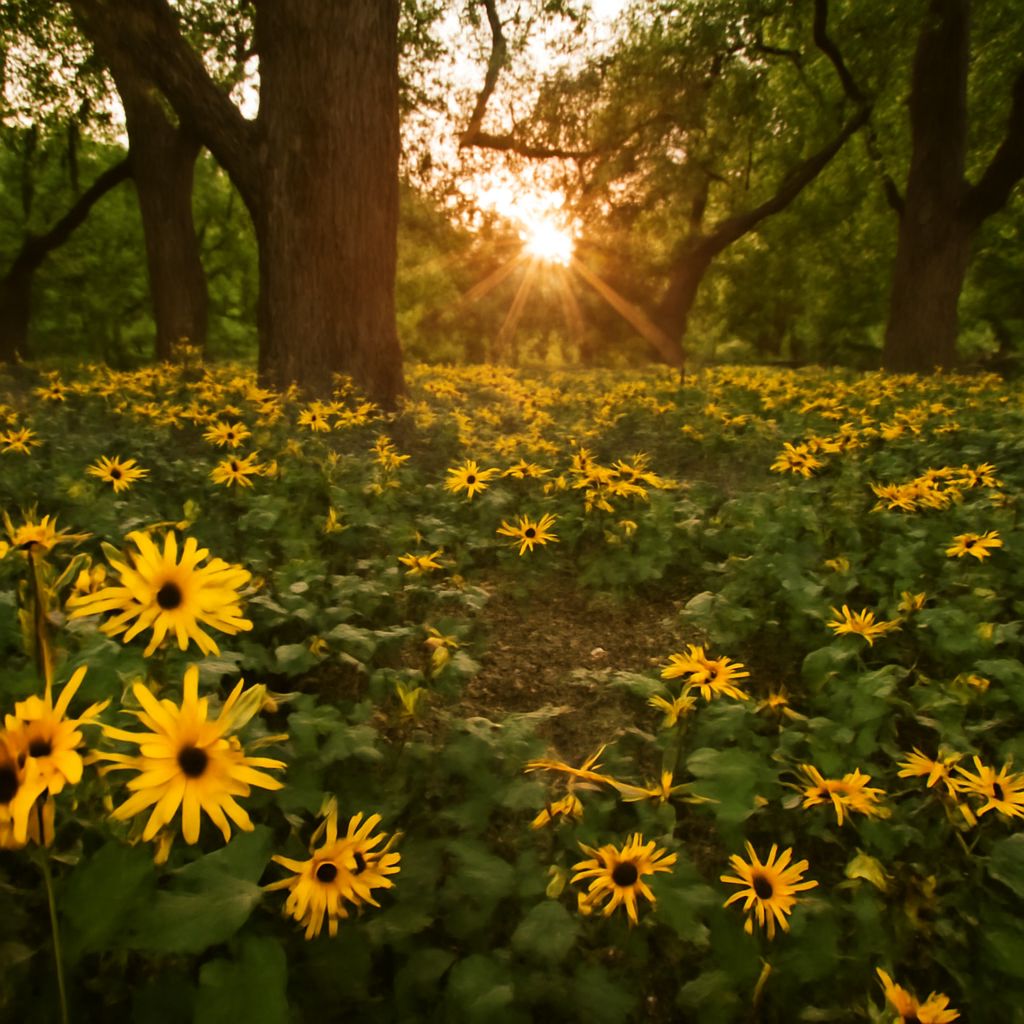
Landscape photography is perhaps the most popular use for wide angle lens photography. These lenses allow photographers to capture sweeping vistas, dramatic skies, and layered foregrounds that give viewers a strong sense of place. The broad field of view makes it possible to include interesting foreground elements—such as rocks, flowers, or water features—while still encompassing distant backgrounds, resulting in images with depth and scale.
Architectural photography also benefits greatly from wide angle lenses. Photographers can capture entire buildings, interiors, or cityscapes without having to step far back or stitch multiple images together. Wide angle lens photography highlights architectural lines, patterns, and spatial relationships, but it’s important to correct for perspective distortion so that vertical lines appear straight unless a creative tilt is intentional.
Environmental portraiture is another genre where wide angle lenses shine. By incorporating more of the subject’s surroundings, photographers can tell a richer story about the person being photographed. This approach places the subject within the context of their environment—be it a workplace, home, or landscape—providing narrative and a sense of scale. Caution is advised in positioning, however, as wide angle distortion can unflatteringly exaggerate facial features if the subject is too close to the lens.
Finally, wide angle lens photography is common in travel, street, and even documentary work, where capturing the full atmosphere of a location or event is crucial. From bustling city scenes to crowded festivals, wide angle lenses help frame the action and context effectively.
Essential Techniques for Capturing Striking Images
Effective wide angle lens photography relies on mastering a few key techniques to maximize impact and minimize common issues such as distortion or compositional clutter.
Foreground interest is critical. With a wide field of view, empty foregrounds can make images look flat or unbalanced. Placing an object—such as a rock, tree, or leading line—close to the lens draws the viewer’s eye into the scene and establishes depth. For example, in landscape photography, positioning low to the ground can emphasize flowers or textures while still capturing a dramatic sky.
Managing distortion is another essential skill. Keep the camera level with the horizon to prevent tilting vertical lines or accentuating barrel distortion. Use grid overlays in your camera or viewfinder to align architectural features or horizons. In post-processing, lens correction tools in software such as Adobe Lightroom or Capture One can further refine straight lines and proportions.
Composition matters even more with wide angle lens photography. The additional real estate in the frame increases the risk of distracting elements. Pay attention to the edges and corners of the composition, removing clutter or repositioning to find a clean, impactful arrangement. Leading lines, such as roads, fences, or rivers, work well with wide angles by guiding the viewer’s gaze through the image.
Choosing the right aperture ensures sharpness across the frame. Wide angle lenses naturally have a large depth of field, but selecting an aperture between f/8 and f/16 typically delivers the best balance of sharpness and background detail. Focus about one-third of the way into the scene to maximize front-to-back sharpness, a technique known as the hyperfocal distance method.
Creative Tips for Wide Angle Shots
Wide angle lens photography encourages experimentation and creativity beyond traditional approaches. Leveraging the lens’s unique rendering of space opens up new visual possibilities.
Emphasize scale by juxtaposing small foreground subjects against vast backgrounds. For example, placing a person or animal close to the lens in a grand landscape can dramatically highlight the scale of the environment. This approach is effective in travel and adventure photography, where conveying the magnitude of a location enhances storytelling.
Explore dramatic perspectives by getting close to your subject. Wide angle lenses allow for intimate, in-your-face views that exaggerate proportions and create visual tension. This technique is popular in action sports, pet photography, or when capturing architectural details from unusual angles.
Break symmetry and experiment with dynamic angles. Tilting the camera or framing off-center can produce energetic compositions, especially in crowded environments or urban settings. Using diagonals and curves adds movement to images that might otherwise feel static.
Finally, use negative space to your advantage. Wide angle lens photography can incorporate expansive skies, open fields, or minimalistic backdrops to isolate subjects and evoke mood. Thoughtful use of empty areas in the frame can make primary subjects stand out and communicate a sense of solitude or scale.