









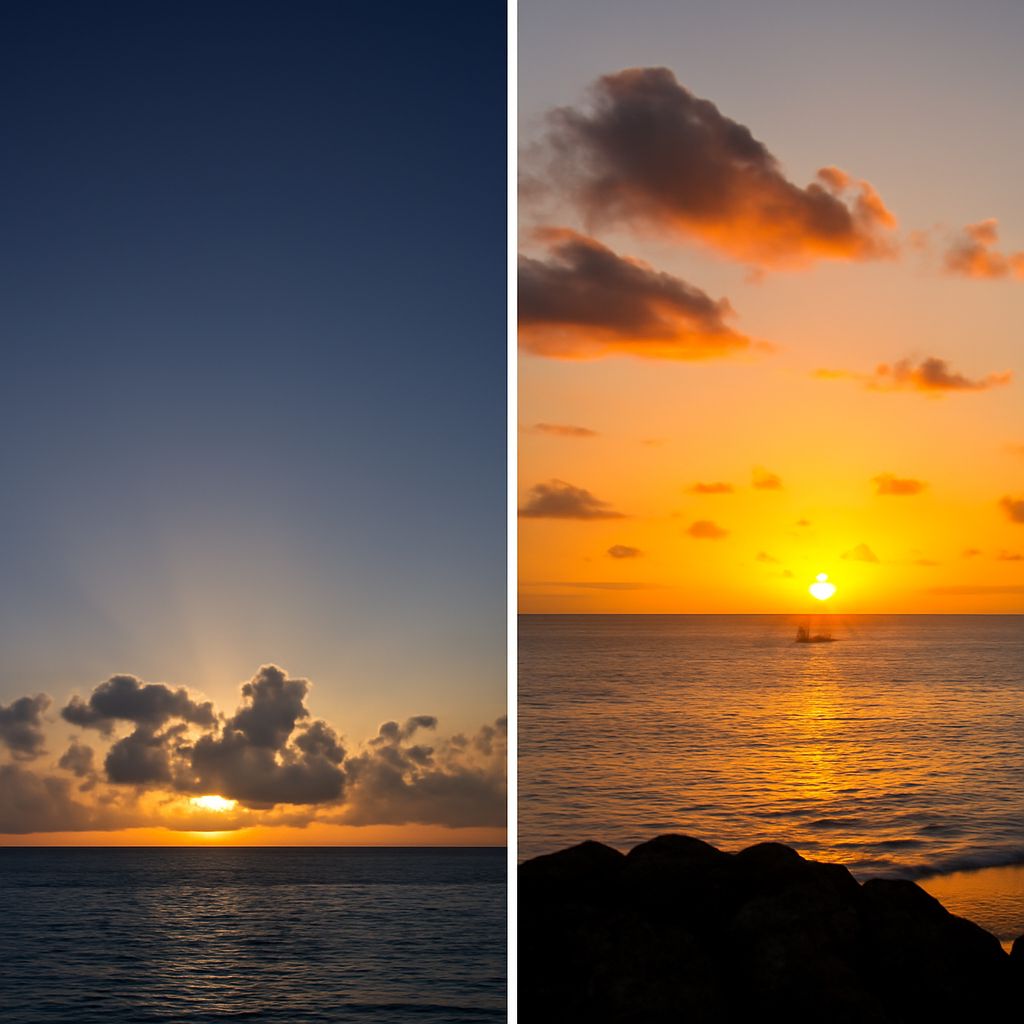
Sunsets and sunrises are powerful symbols in literature, representing transitions, emotions, and thematic elements. Authors often use these natural events to convey deeper meanings, capturing the essence of human experiences. This article explores the literary significance of sunsets and sunrises, examining their symbolic roles and how authors incorporate them into their works.
Understanding Sunsets in Literature
Sunsets frequently symbolize endings, closure, and the passage of time. They often signify the conclusion of a journey or the end of a day, both literally and metaphorically. In literature, sunsets can evoke feelings of nostalgia, reflection, and acceptance. For example, in Ernest Hemingway’s “The Old Man and the Sea,” the setting sun marks the end of the protagonist’s arduous journey, symbolizing both defeat and resilience.
Moreover, sunsets can represent the beauty in finality, highlighting the transient nature of life. They remind readers of the inevitability of change and the importance of appreciating each moment. Authors use the imagery of fading light to emphasize themes of mortality and the cycle of life, providing a poignant backdrop for introspection and emotional resolution.
The Symbolism of Sunrises
Sunrises, in contrast, symbolize new beginnings, hope, and renewal. They herald the start of a new day, offering opportunities for change and growth. In literary works, sunrises often represent rebirth and the promise of a fresh start. For instance, in F. Scott Fitzgerald’s “The Great Gatsby,” the dawn signifies hope and Gatsby’s relentless pursuit of his dreams.
The imagery of a rising sun can also evoke a sense of optimism and potential. As the darkness gives way to light, sunrises suggest the triumph of good over evil, the emergence of truth, and the awakening of consciousness. This symbolism is widely used to illustrate characters’ evolving perspectives and journeys toward enlightenment.
Comparing Literary Themes
Both sunsets and sunrises serve as powerful literary devices to explore themes of time, transformation, and duality. While sunsets often denote conclusions and reflection, sunrises suggest beginnings and hope. This dichotomy allows authors to contrast the past with the future, exploring how characters evolve through these transitions.
For example, in Gabriel García Márquez’s “One Hundred Years of Solitude,” sunsets and sunrises mark the cyclical nature of the Buendía family’s saga. Sunsets capture the decline of generations, whereas sunrises symbolize the possibility of redemption and renewal. This juxtaposition enhances the narrative’s exploration of time’s relentless march and life’s perpetual rhythms.
Authors’ Use of Sunsets and Sunrises
Authors utilize sunsets and sunrises to deepen character development and underscore thematic elements. In William Wordsworth’s poetry, sunsets are often depicted with a sense of awe and reverence, reflecting the poet’s appreciation for nature’s beauty and the passage of time. Conversely, sunrises in his works often convey inspiration and spiritual awakening.
Similarly, in J.R.R. Tolkien’s “The Return of the King,” the sunset signifies the end of an era, while the sunrise represents the dawn of a new age. These natural phenomena serve as metaphors for change and continuity, enriching the narrative with layers of meaning.
By weaving sunsets and sunrises into their storytelling, authors not only evoke vivid imagery but also engage readers in a deeper exploration of life’s complexities. The contrasting symbolism of these events mirrors the dual nature of human experience, allowing literature to resonate on an emotional and philosophical level.
