









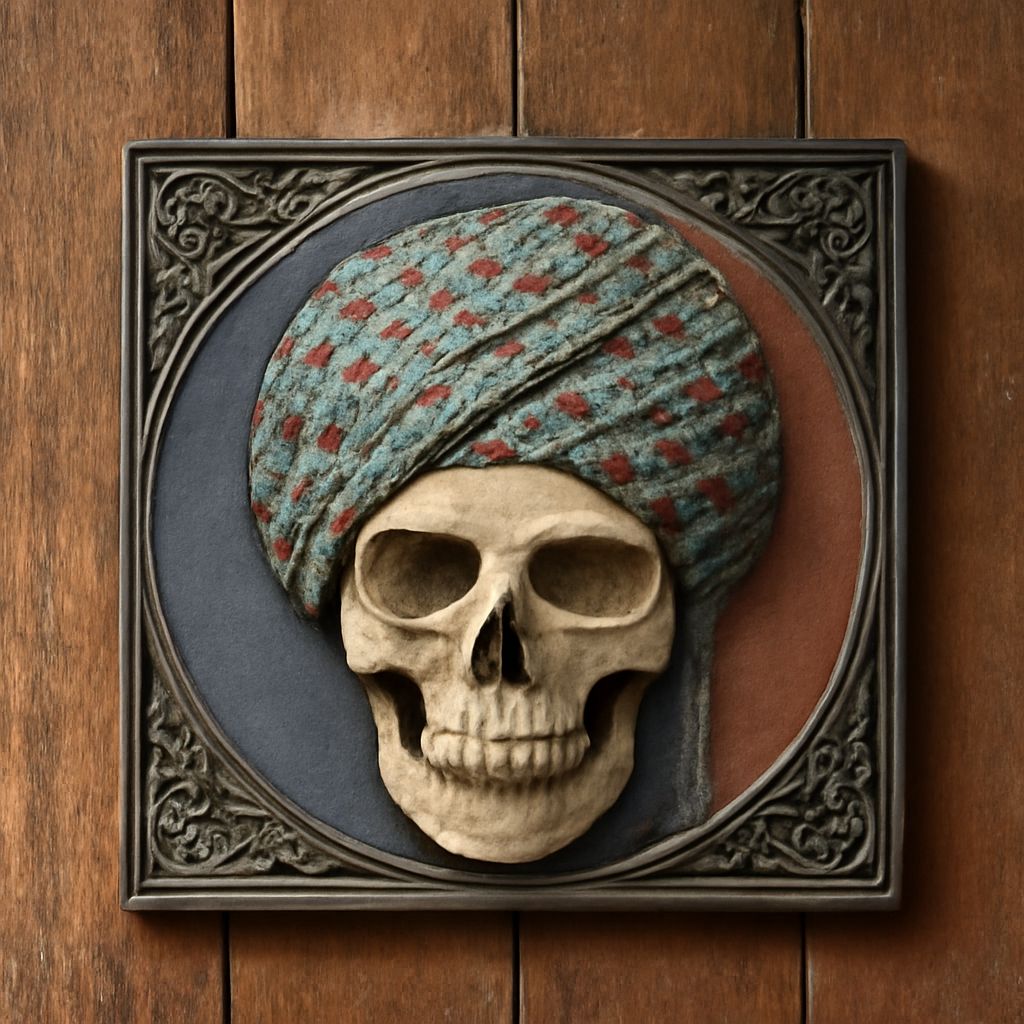
The “Stealie” is a symbol that holds a unique place in books and publishing. Recognized for its distinctive design, it transcends its simple aesthetic to embody cultural and historical significance. This article explores the origins, cultural impact, and modern use of the Stealie in the publishing world.
What Is the ‘Stealie’?
The term “Stealie” refers to a symbol popularly associated with the music world, specifically the Grateful Dead. It features a skull and lightning bolt, often incorporated into various designs and artworks. In publishing, the Stealie is used to denote themes of counterculture, individuality, and creativity. Its presence on book covers or within literary works often suggests a connection to these themes.
Origins and History
The Stealie’s origins trace back to the Grateful Dead, a band formed in the 1960s known for its psychedelic rock and distinctive iconography. The symbol was designed by Owsley Stanley and Bob Thomas for the band’s album “Steal Your Face.” It quickly became emblematic of the band’s identity and ethos. In publishing, the Stealie serves as a nod to this rich history, often used to attract readers with an affinity for music, freedom, and alternative lifestyles.
Cultural Impact and Symbolism
The cultural significance of the Stealie extends beyond its musical roots. It symbolizes a spirit of rebellion and freedom, resonating with audiences drawn to non-conformity and artistic expression. In books and publishing, this symbol is often employed to evoke these emotions, appealing to readers who identify with countercultural movements. The Stealie’s presence enriches the narrative, providing a visual shorthand for themes of exploration and defiance.
The ‘Stealie’ in Modern Publishing
In contemporary publishing, the Stealie continues to be a versatile symbol. Its use on book covers or promotional materials can target niche audiences interested in music history, creative expression, or the cultural movements of the 1960s and 1970s. Publishers may incorporate the Stealie to align with themes of rebellion or to build a visual connection with the counterculture ethos. As a result, the Stealie remains relevant, bridging the gap between past and present cultural dialogues.
