








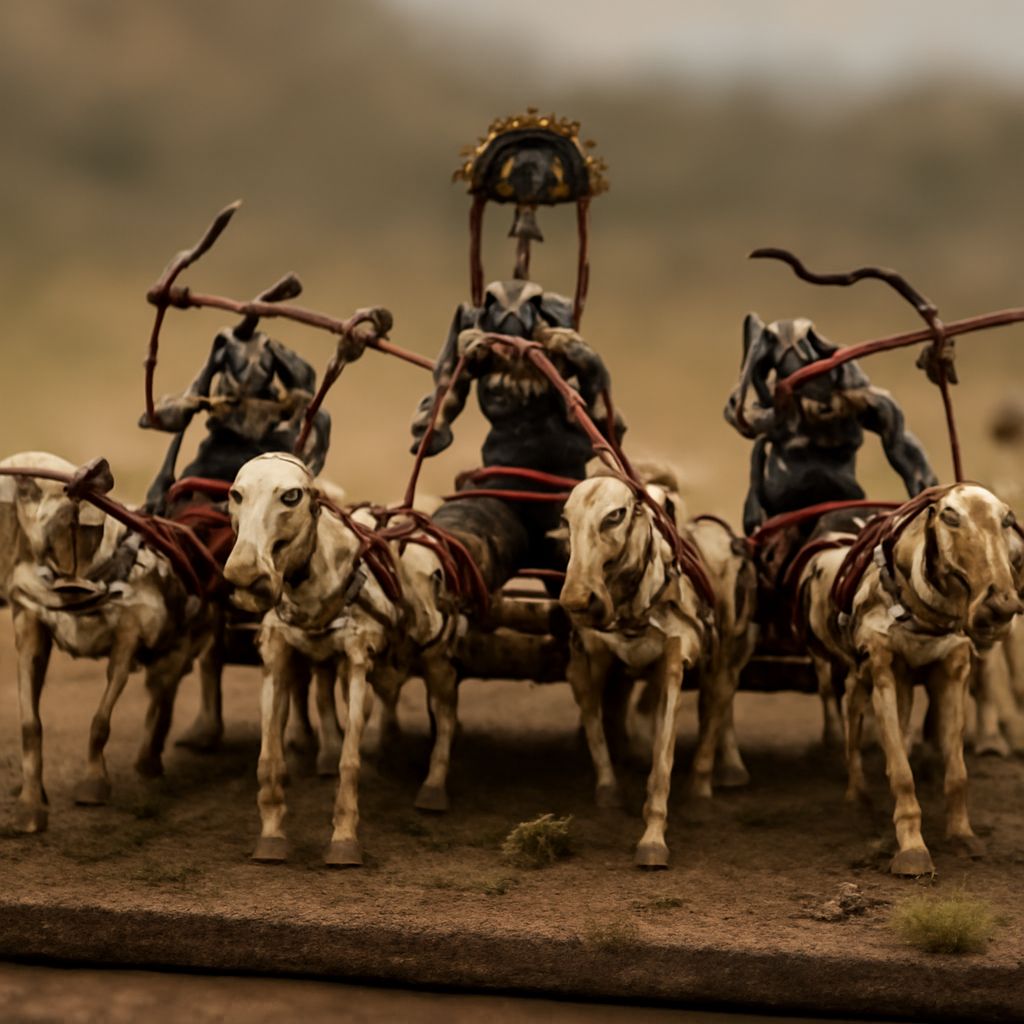
The king’s chariot is a powerful symbol in literature, often representing authority, power, and divine connection. Throughout various cultures and texts, it serves as a narrative device that enhances themes and character development. This article explores the multifaceted symbolism of the king’s chariot and its impact on storytelling.
The King’s Chariot: An Overview
The chariot has long been associated with royalty and military prowess. In many ancient civilizations, such as Egypt and India, the chariot was a status symbol, used by kings and warriors alike. Its depiction in literature often parallels its historical significance, symbolizing leadership and control. The king’s chariot is not merely a mode of transportation but an embodiment of the ruler’s power and prestige.
Symbolic Meanings Across Cultures
Across different cultures, the king’s chariot carries varied symbolic meanings. In Hindu mythology, the chariot is often linked to the sun god, Surya, symbolizing divine authority and cosmic order. Similarly, in Greek mythology, the chariot is associated with Apollo, representing enlightenment and prophecy. In both cases, the chariot transcends its physical utility, becoming a conduit for divine will.
In Biblical texts, chariots are often depicted as instruments of God’s intervention, signifying divine judgment or deliverance. This symbolic use underscores the chariot’s role in conveying supernatural power and divine favor, reinforcing the authority of the king as a representative of higher powers.
Impact on Narrative Themes
The king’s chariot profoundly influences narrative themes, often serving as a catalyst for action or transformation. It might symbolize the journey or quest of a hero, marking a transition from one state of being to another. The chariot can also highlight themes of conquest and ambition, as seen in the epic tales of leaders like Alexander the Great, who utilized chariots as symbols of their expansive ambitions.
Moreover, the chariot’s presence in literature can underscore themes of conflict and resolution. It might represent the clash between different ideologies or the struggle for power. The image of a king’s chariot charging into battle is a powerful motif that conveys the stakes and gravity of war.
Notable Examples in Literature
Several literary works prominently feature the king’s chariot, using it to enhance narrative depth. In Homer’s “Iliad,” chariots are central to the depiction of heroism and valor. The chariots of leading warriors like Achilles and Hector are not just vehicles but extensions of their martial prowess and nobility.
The Mahabharata, an Indian epic, also presents the chariot as a crucial element. Arjuna’s chariot, driven by Lord Krishna, symbolizes divine guidance and moral duty. This depiction highlights the interplay between human agency and divine intervention, a recurring theme in the text.
In medieval literature, such as the Arthurian legends, the king’s chariot often symbolizes the ideal of chivalry and the pursuit of noble quests. These stories use the chariot to explore themes of loyalty, honor, and the eternal struggle between good and evil.
Overall, the king’s chariot remains a potent literary symbol, enriching narratives by encapsulating themes of power, divinity, and transformation.
