









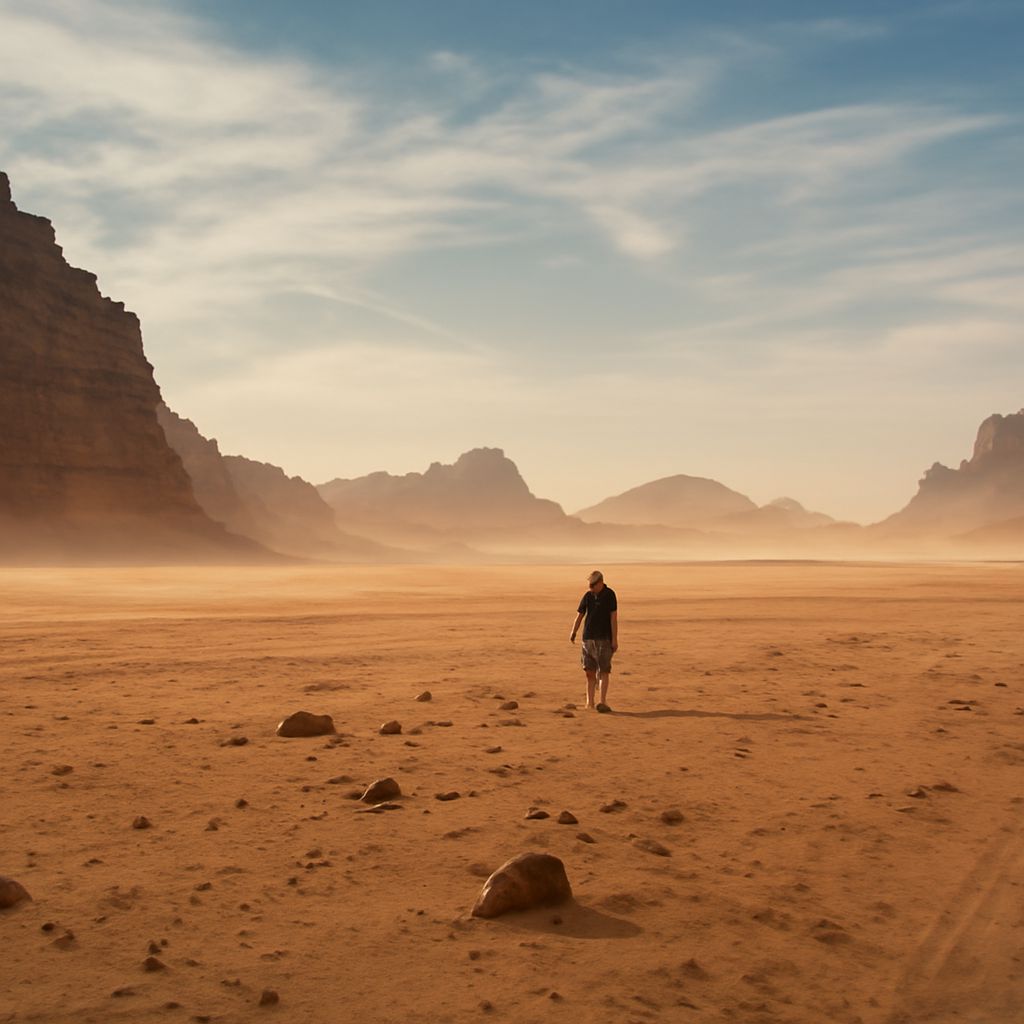
Desert sand, often seen as an endless expanse of mystery and beauty, has played a significant role in literature. Its imagery has resonated with authors and readers alike, offering rich symbolism and thematic depth. This article explores how desert sand has influenced literary works across various genres, highlighting its enduring impact.
The Symbolism of Desert Sand in Literature
Desert sand represents both desolation and beauty, serving as a metaphor for isolation, resilience, and the passage of time. In literature, it often symbolizes the unknown, a vast canvas on which human emotions and existential questions are painted. Its shifting nature is a powerful reminder of life’s impermanence, making it a fitting backdrop for stories of transformation and introspection.
Influential Works Featuring Desert Landscapes
Numerous literary works have utilized desert settings to enhance their narratives. Frank Herbert’s “Dune” delves into the complexities of power, religion, and ecology, all set against the backdrop of the desert planet Arrakis. Similarly, Paulo Coelho’s “The Alchemist” employs the desert as a place of spiritual journey and self-discovery, where the protagonist learns life’s profound truths.
Authors Inspired by Desert Sand
Several authors have drawn inspiration from desert environments. T.E. Lawrence, known for his autobiographical work “Seven Pillars of Wisdom,” captures the stark beauty and harsh realities of desert life. Antoine de Saint-Exupéry, in “The Little Prince,” uses the desert as a setting for philosophical exploration, highlighting themes of friendship and the essence of human connection.
Themes Emerging from Desert Settings
Desert settings in literature often give rise to themes of survival, introspection, and spirituality. The isolation of the desert landscape prompts characters to confront their inner selves, leading to personal growth and enlightenment. Additionally, the harsh conditions underscore the themes of endurance and adaptability, reflecting the human spirit’s capacity to thrive amidst adversity.
The Future of Desert Imagery in Writing
As environmental concerns grow, the imagery of desert sand may take on new significance in literature. Future works are likely to explore themes of climate change, sustainability, and the delicate balance between nature and human activity. Desert sand will continue to inspire writers, serving as a powerful symbol in the narrative exploration of humanity’s relationship with the Earth.
